
Category: Incubator Project
-
Data analytics for demixing and decoding patterns of population neural activity underlying addiction behavior
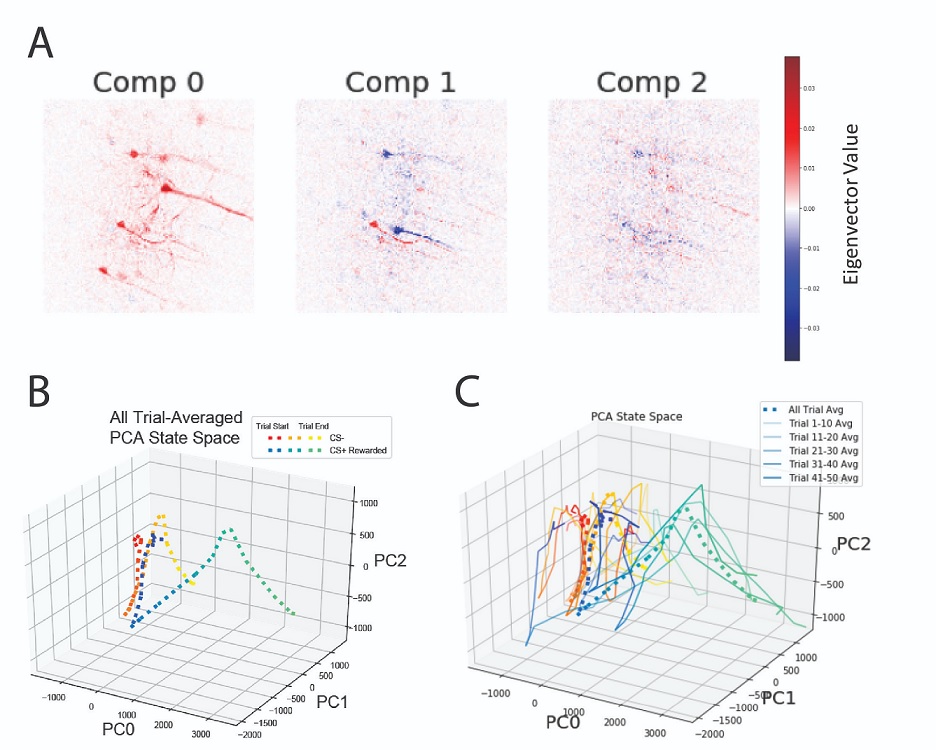
Project Lead: Charles Zhou, Anesthesiology & Pain Medicine Staff Scientist eScience Liaison: Ariel Rokem In 2017, 1.7 million people in the United States reported addiction to opioid pain relievers (Center for behavioral Health Statistics and Quality, 2017) while 47,000 individuals died from opioid overdose (CDC, 2018). Understanding the mechanisms of substance use disorders and developing…
-
Developing a relational database for acoustic detections and locations of baleen whales in the Northeast Pacific Ocean
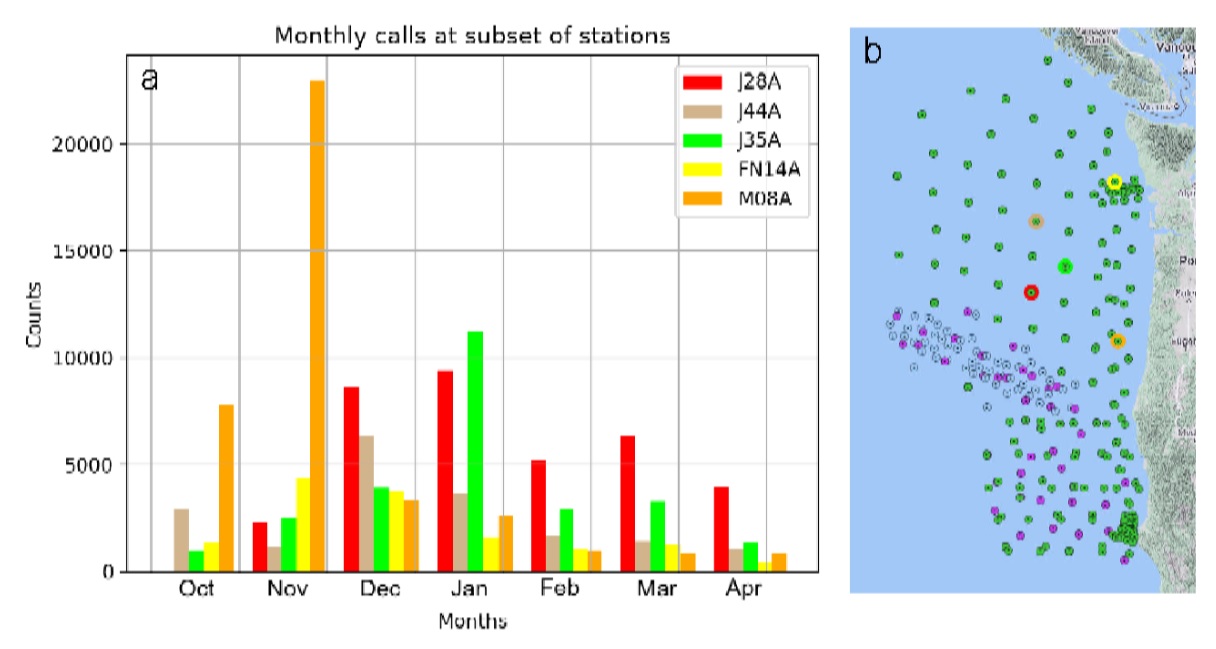
Project Lead: Rose Hilmo, UW School of Oceanography PhD Candidate eScience Liaison: Joseph Hellerstein The health and recovery of whale populations is a major concern in ocean ecosystems. This project is about using data science to improve the monitoring of whale populations, an ongoing area of research in ocean ecology. Our focus is acoustic monitoring,…
-
Automated monitoring and analysis of slow earthquake activity
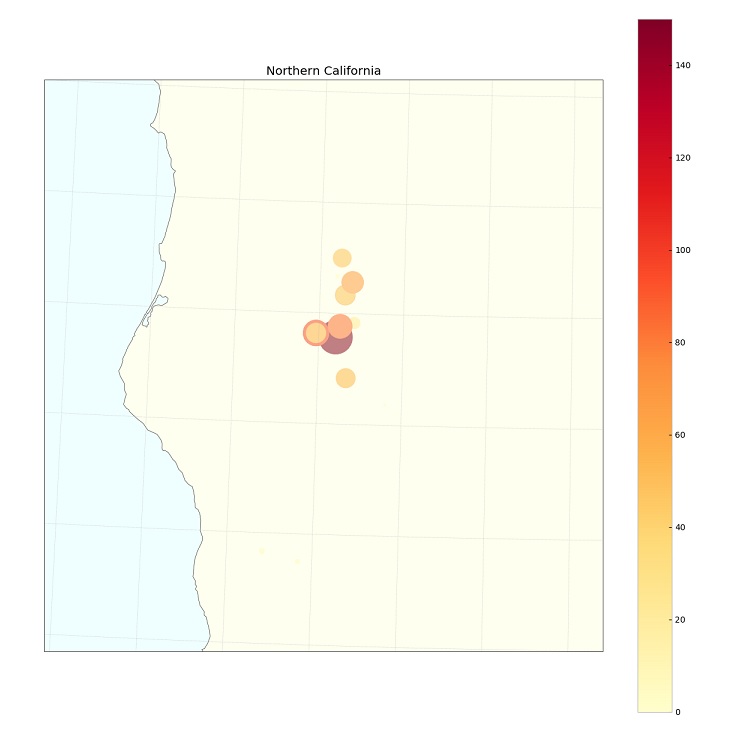
Project Lead: Ariane Ducellier, UW Department of Earth & Space Sciences PhD Candidate eScience Liaison: Scott Henderson Low-frequency earthquakes (LFEs) are small magnitude earthquakes, with typical magnitude less than 2,and reduced amplitudes at frequencies greater than 10 Hz relative to ordinary small earthquakes. Their occurrence is often associated with tectonic tremor and slow slip events…
-
British Justifications for Internment without Trial: NLP Approaches to Analyzing Government Archives

Project Lead: Sarah Dreier, UW Department of Political Science and Paul G. Allen School of Computer Science Engineering Postdoctoral Fellow eScience Liaison: Jose Hernandez How do liberal democracies justify policies that violate the rights of targeted citizens? When facing real or perceived national security threats, democratic states routinely frame certain citizens as “enemies of the…
-
Predicting a drought with a flood of data: Evaluating the utility of data-driven approaches to seasonal hydrologic forecasts
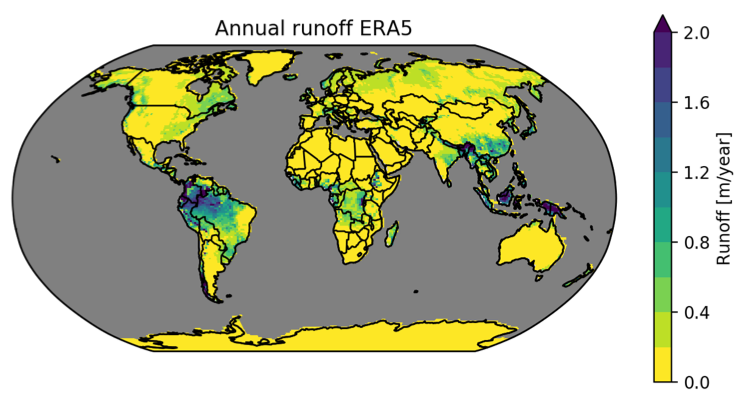
Project Lead: Oriana Chegwidden, UW Civil & Environmental Engineering Department PhD Candidate and Staff Scientist eScience Liaison: Nicoleta Cristea Climate change is likely to exacerbate droughts in the future, compromising water availability around the world. Those changes in water availability may not be uniform across the land surface, with changes in precipitation, snowpack, and increased…
-
Systems level analysis of metabolic pathways across a marine oxygen deficient zone
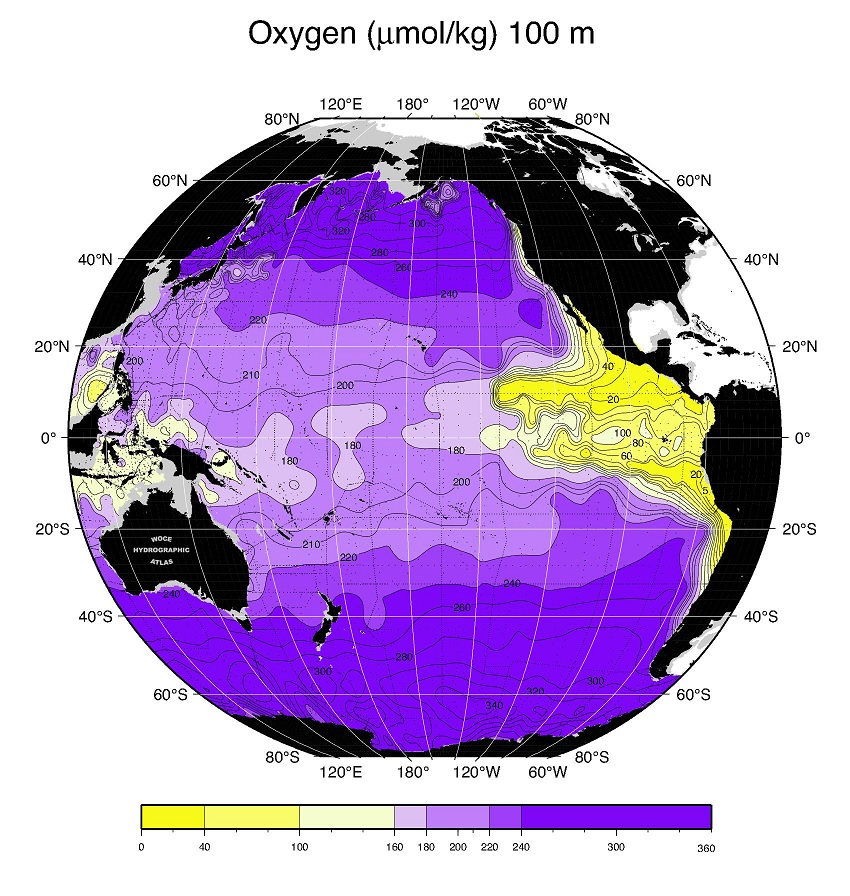
Project Lead: Gabrielle Rocap, UW School of Oceanography Professor eScience Liaison: Bryna Hazelton Marine Oxygen Deficient Zones (ODZs) are naturally-occurring mid-layer oxygen poor regions of the ocean, sandwiched between oxygenated surface and deep layers. In the absence of oxygen, microorganisms in ODZs use a variety of other elements as terminal electron acceptors, most notably oxidized…
-
Deer Fear: Using Accelerometers and Video Camera Collars to Understand if Wolves Change Deer Behavior
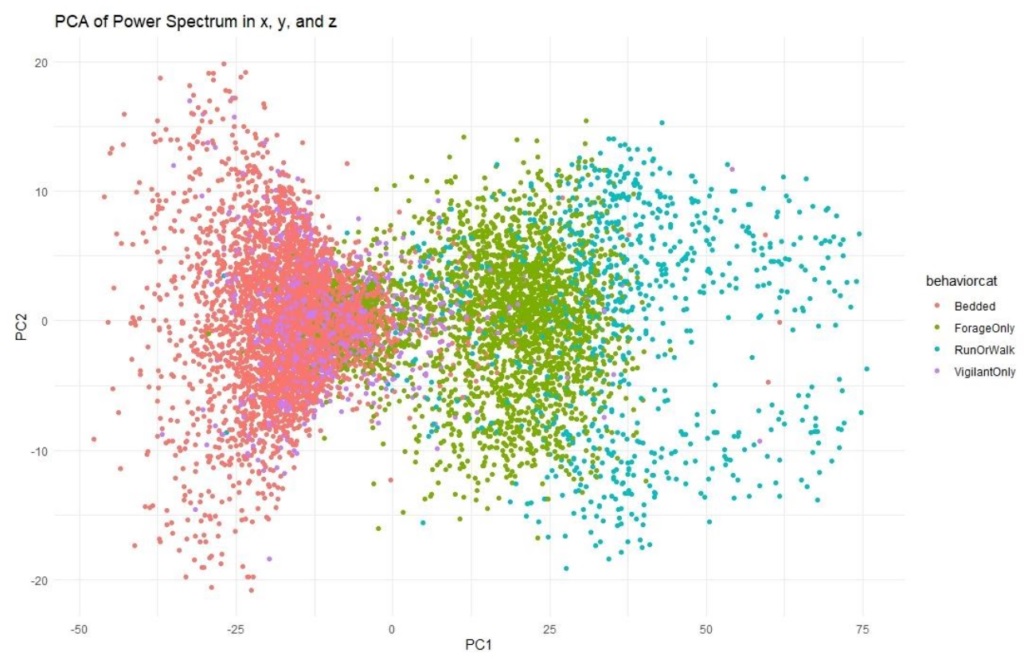
Project Lead: Apryle Craig, UW Department of Environmental & Forest Sciences PhD Candidate eScience Liaison: Valentina Staneva Animal behavior can provide insight into underlying processes that drive population and ecosystem dynamics. Accelerometers are small, inexpensive biologgers that can be used to identify animal behaviors remotely. Tri-axial accelerometers measure an animal’s acceleration in each of the three…
-
Interactions of tropical precipitation with atmospheric circulation and energy transport
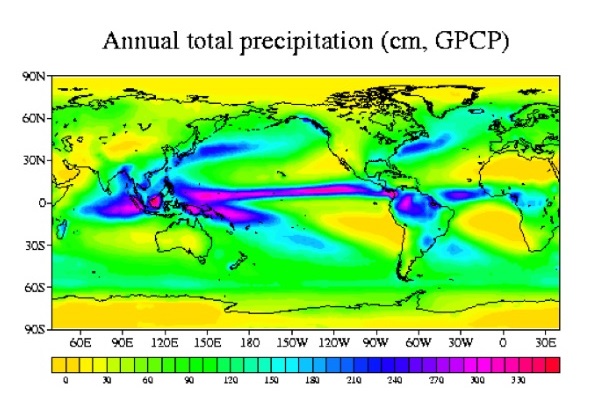
Project Lead: Lauren Kuntz, Department of Oceanography eScience Liaison: Rob Fatland, with Purshottam Shivraj However, our canonical view of how precipitation impacts broad scale atmospheric circulation and energy transport relies on simplified models of the zonal mean; it fails to explain the vertical and meridional variability in precipitation events, as well as their impact on energy…
-
Affective state analysis of ultrasonic vocalizations in animal models of mTBI/PTSD and neuropathic pain
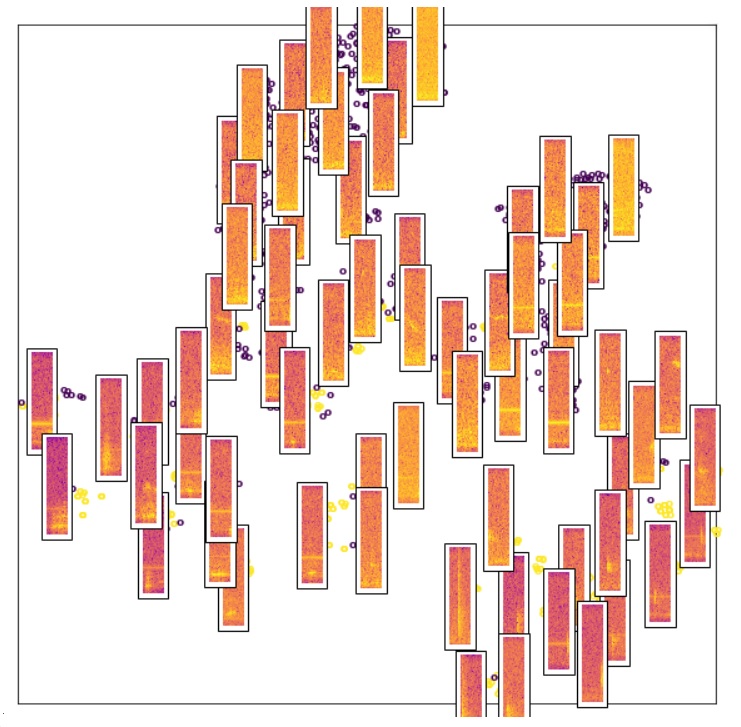
Project Lead: Abigail G. Schindler, acting assistant professor, Psychiatry and Behavioral Services eScience Liaison: Valentina Staneva Chronic health conditions (e.g. mental health, pain) are increasing in the US and contribute substantially to decreased quality of life, loss of productivity, and increased financial burden. Indeed, the CDC estimates that over 90% of annual health care expenditures…
-
Predicting human-mediated vectors for invasive species from mobile technology
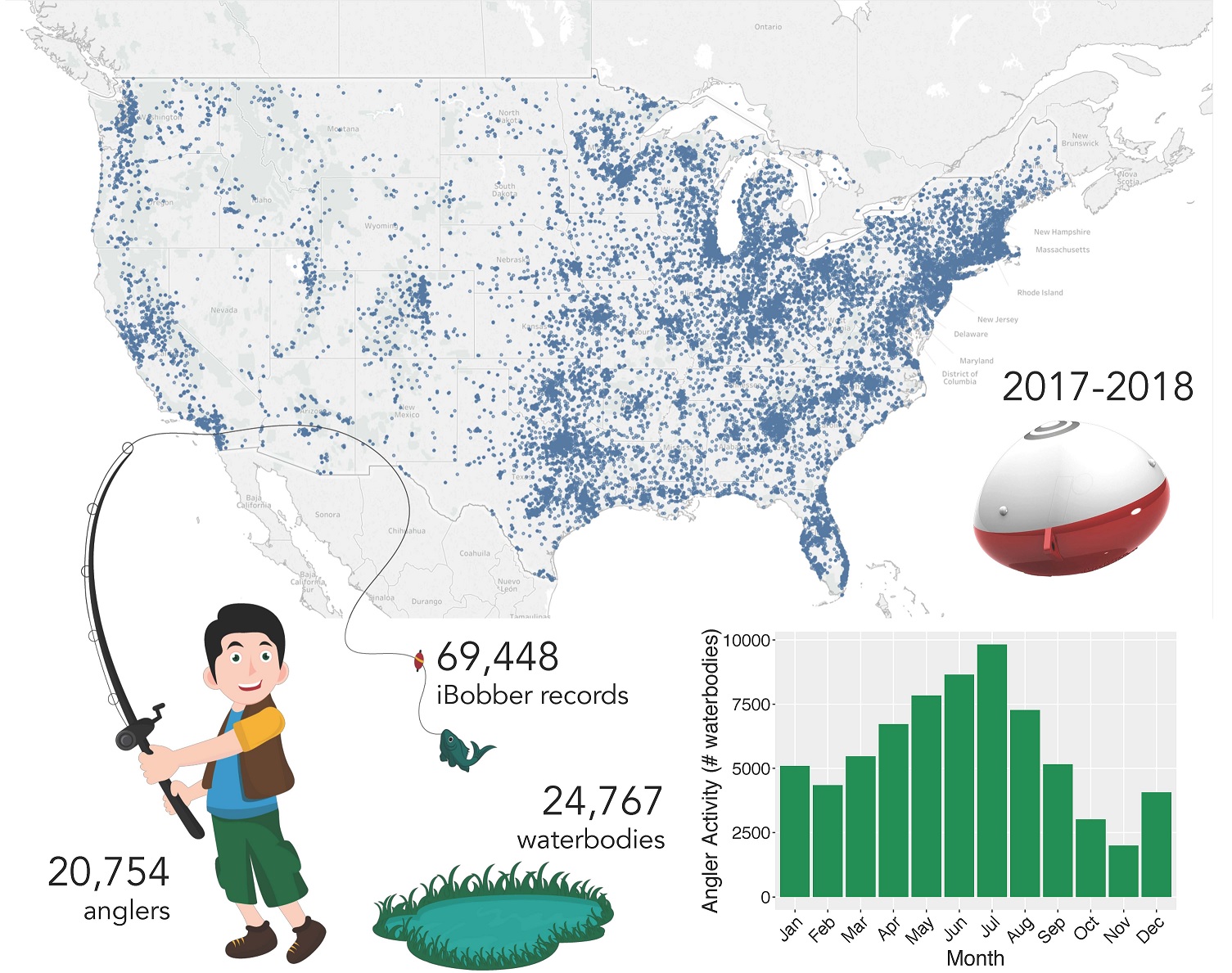
Project Lead: Julian Olden with Rachael Fricke, both UW School of Aquatic and Fishery Sciences eScience Liaison: Spencer Wood Invasive species pose a significant threat to ecosystem health and economies of nations across the globe. Freshwater recreational fishing is the largest and growing vector for invader introductions: specifically, because angler activities entangle invasive organisms on…