
Category: Incubator Project
-
Innovation: Evidence from Patents
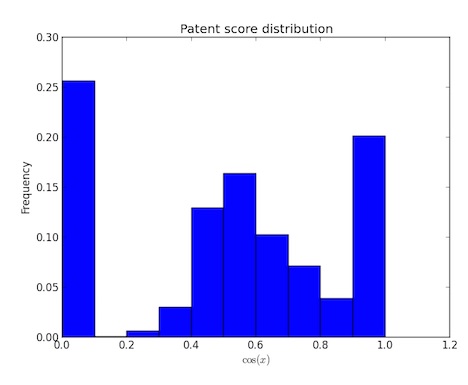
Project Lead: Matthew Denes (Finance and Business Economics) eScience Liaison: Andrew Whitaker One of the key drivers of long-term economic growth studied in economics and finance is technological innovation. A common proxy of innovative activity is patents. Patents provide researchers with a clear and well-recorded measure of innovation, where the number of patents and patent citations are…
-
Analysis of .Gov Web Archive Data
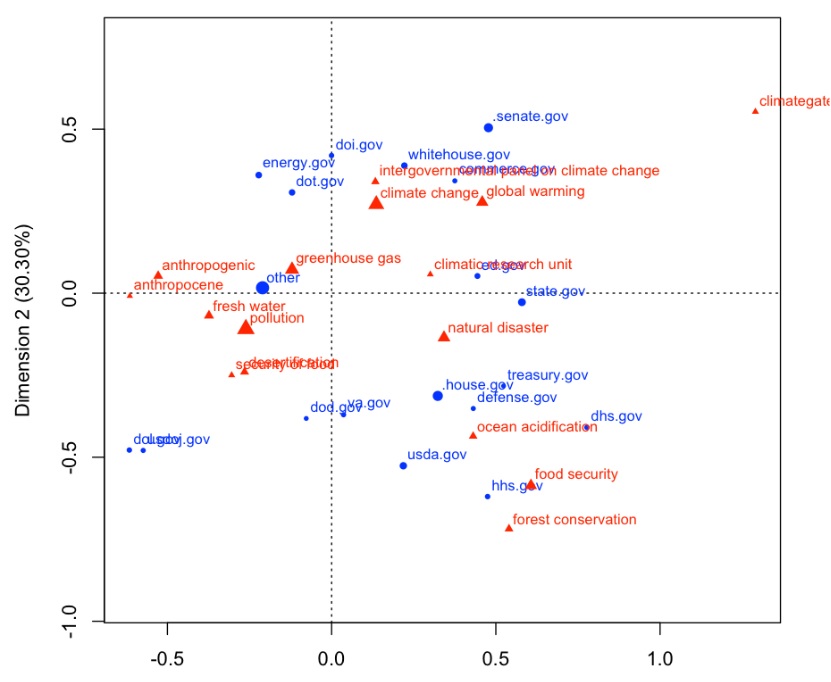
Project Leads: Emily Gade (Political Science) eScience Liaison: Andrew Whitaker Data are revolutionizing all fields of science including political science. Managing unstructured data (particularly text) is a non-trivial challenge for social scientists, especially at a large scale. An example is the .gov dataset curated by the Internet Archive (IA). The IA curates web crawls from 1996 to…
-
Simulating Competition in the U.S. Airline Industry
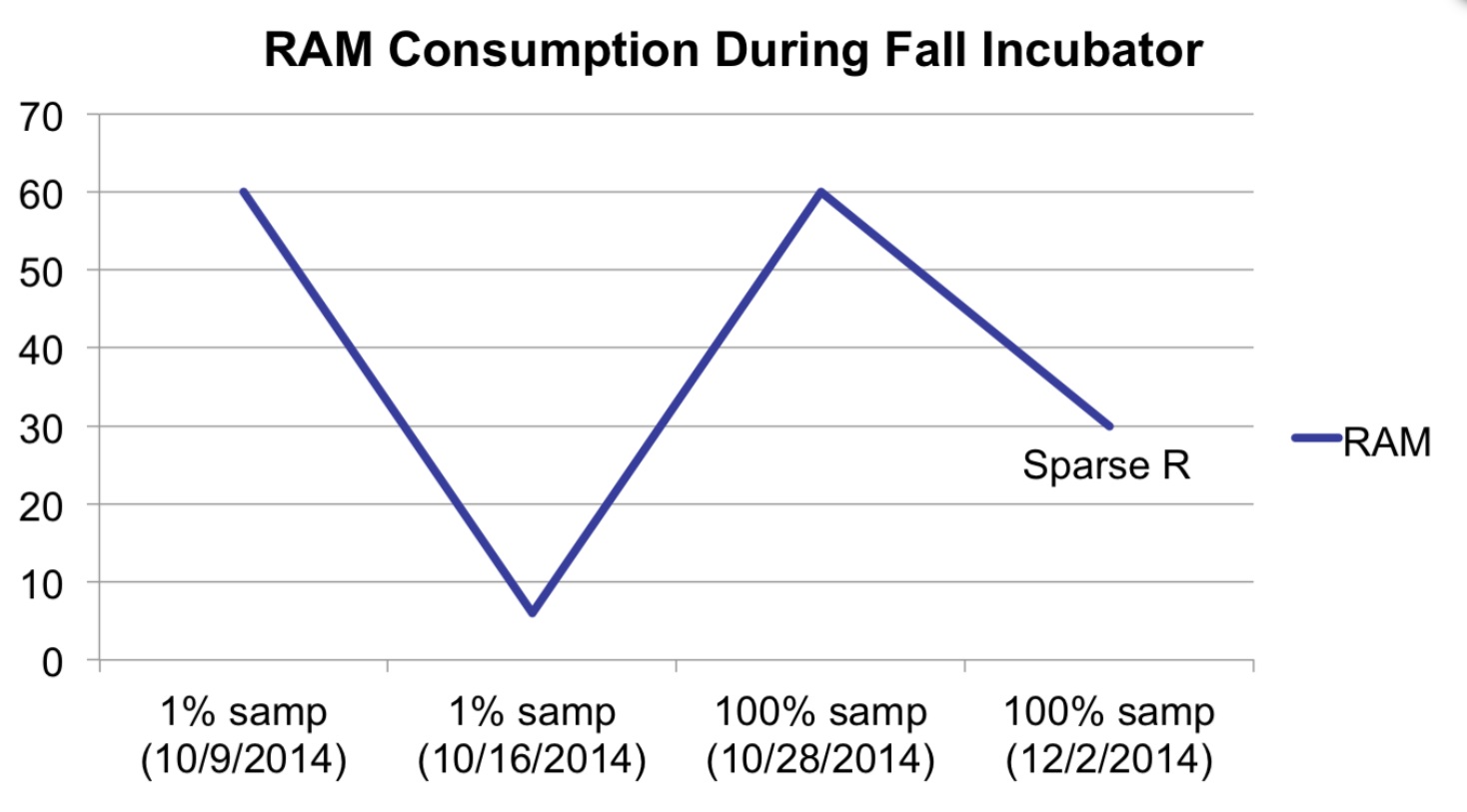
Project Lead: Charlie Manzanares (Economics) eScience Liaisons: Andrew Whitaker, Daniel Halperin Since 2005, the U.S. airline industry has experienced the most dramatic merger activity in its history, which has reduced the number of major carriers in the U.S. from eight to four. My project seeks to provide novel estimates of changes in consumer and producer welfare in the…
-
Students’ Sleep and Academic Performance
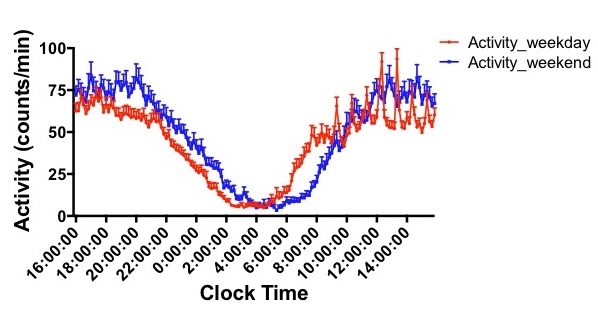
Project Lead: Ângela M. Katsuyama, UW Biology Advisor: Horacio O. de la Iglesia, UW Biology eScience Liaisons: Bill Howe, Daniel Halperin This project investigates the impact of sleep in college academic performance. We hypothesize that poor academic performance in college students correlates with poor sleep behaviors. To address this hypothesis, we collected data from 72 senior students…
-
Kernel-Based Moving Object Detection
Project Lead: Andrew Becker, UW Astronomy eScience Liaison: Daniel Halperin With assistance from: Andrew Whitaker, Bill Howe Kernel-Based Moving Object Detection (KBMOD) describes a new technique to discover faint moving objects in time-series imaging data. The essence of the technique is to filter each image with its own point-spread-function (PSF), and normalize by the image noise, yielding a likelihood…
-
ASPASIA: Adult Service Providers and Some Incidental Addenda
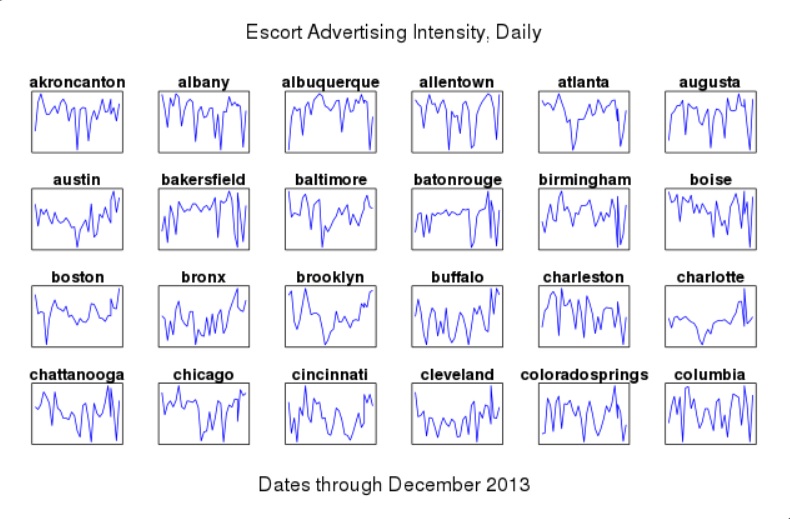
Project Lead: Sam Henly, a PhD student in the UW Department of Economics eScience Liaison: Andrew Whitaker, Data Scientist, eScience Institute Most prostitution in the United States is organized through Internet media. This presents an opportunity for research into a market that, historically, has proved impenetrable to systematic investigation. APSASIA is an effort to collect all of…
-
Scalable Manifold Learning for Large Astronomical Survey Data
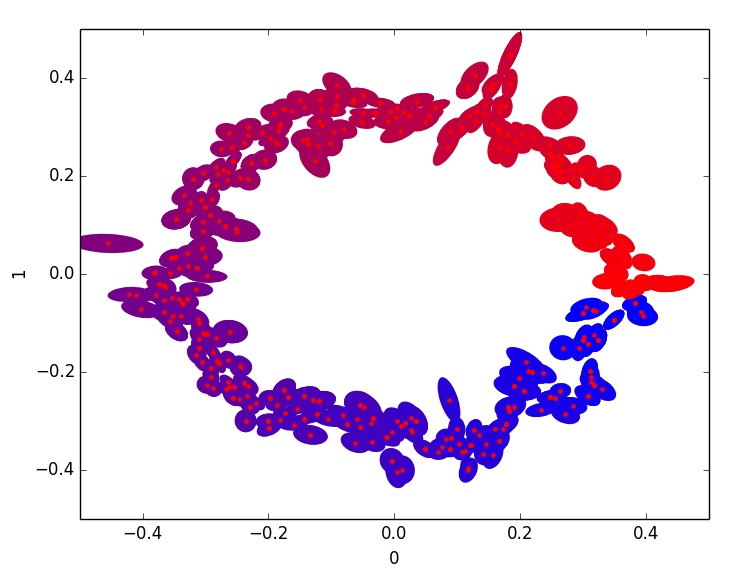
Project lead: Marina Meila, UW Department of Statistics eScience Liaison: Jake VanderPlas, Director of Research – Physical Sciences, UW eScience Institute Manifold Learning (ML), also known as Non-linear dimension reduction, finds a non-linear representation of high-dimensional data with a small number of parameters. ML is data intensive; it has been shown statistically that the estimation accuracy depends…
-
Efficient Computation on Large Spatiotemporal Network Data
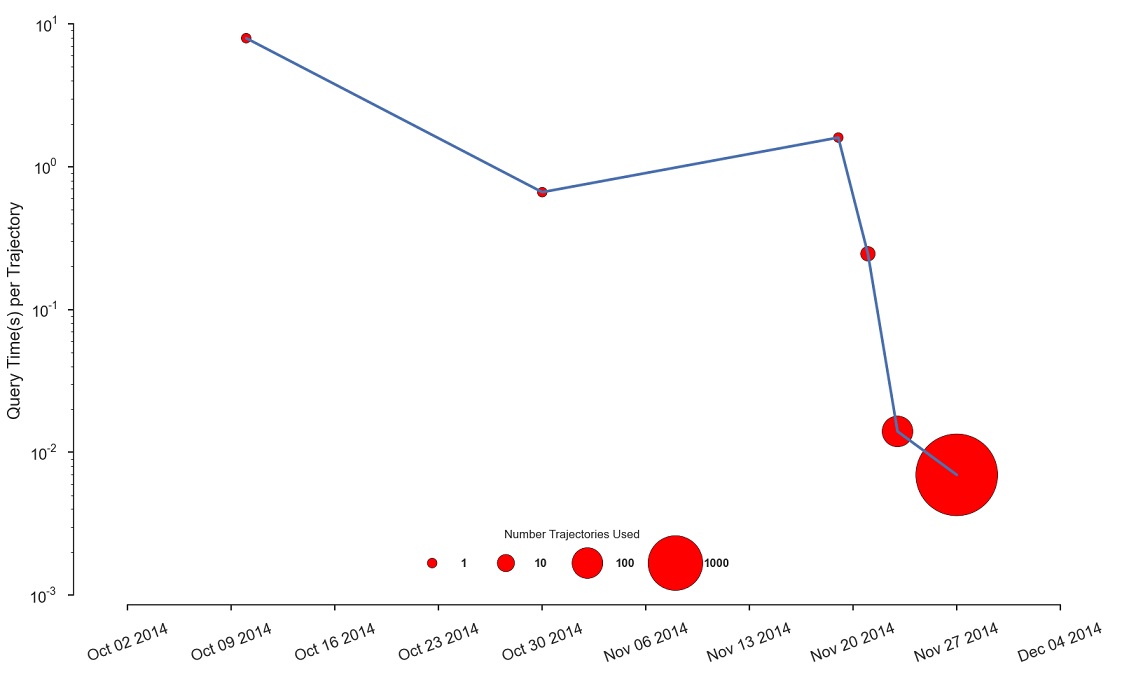
Project Lead: Ian Kelley, Ph.D., Research Consultant, Information School eScience Liaison: Andrew Whitaker, Ph.D., Research Scientist, eScience Institute The pervasive and rich data available in today’s networked computing environment provides many major opportunities for innovative data-intensive applications. Particularly challenging are data analysis projects that rely upon input from millions of sparse, highly dimensional, and dirty data files…
-
Analysis of Kenya’s Routine Health Information System Data
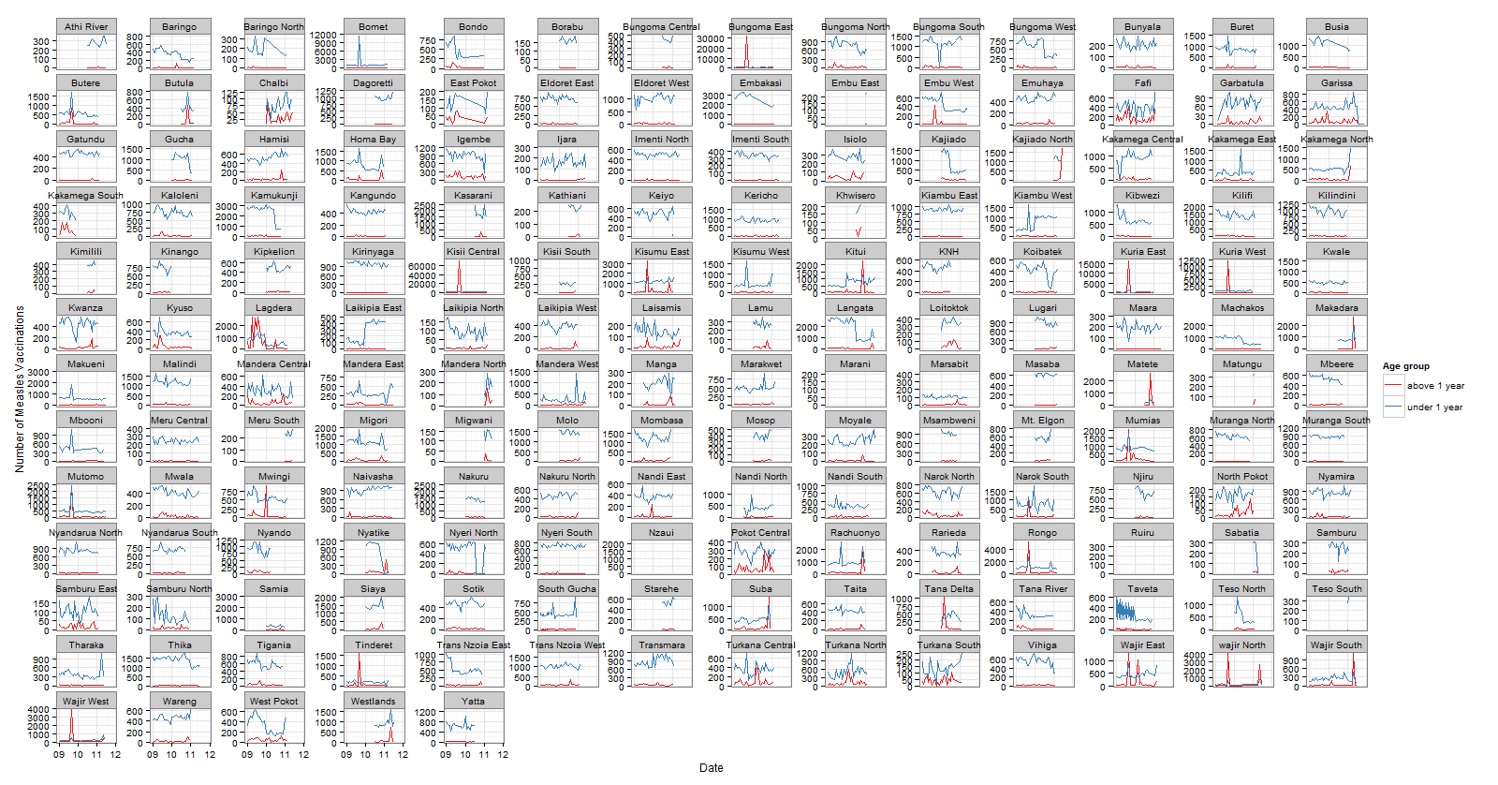
Project lead: Gregoire Lurton, UW Institute for Health Metrics and Evaluation Advisors: Abie Flaxman and Emmanuela Gakidou, UW Institute for Health Metrics eScience Liaison: Daniel Halperin, Director of Research – Scalable Analytics, UW eScience Institute Every year, millions of dollars are spend on collecting data on health services in developing countries. This data then typically sits unused because…
-
Using Social Media Data to Identify Geographic Clustering of Anti-Vaccination Sentiments
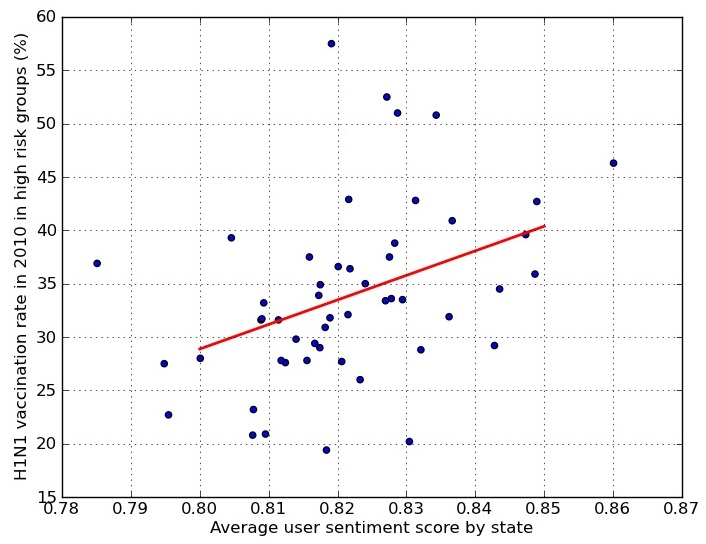
Project lead: Benjamin Brooks, UW Institute for Health Metrics and Evaluation Advisor: Abie Flaxman, UW Institute for Health Metrics and Evaluation eScience Liaison: Andrew Whitaker, UW eScience Institute There has been considerable attention given to the potential for search engine and social media data to provide real time information regarding public health threats; this idea is well known…