
Category: Incubator Project
-
Atmospheric particulate matter source identification using excitation emission fluorescence spectroscopy
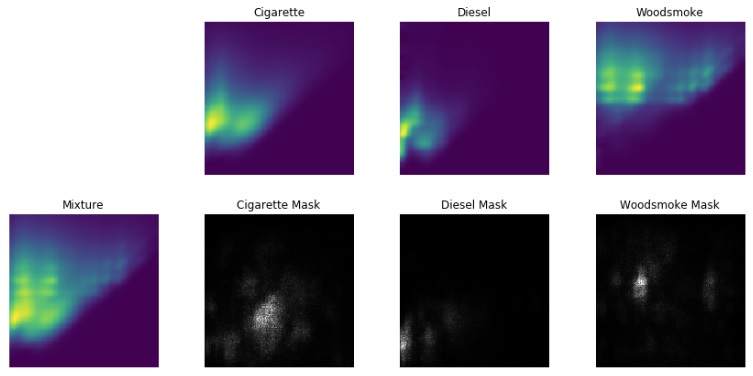
Project Lead: Jay Rutherford, UW Department of Chemical Engineering PhD Candidate eScience Liaison: Bernease Herman Air pollution is estimated to cause 4.9 million premature deaths and result in 149 million disability adjusted life years annually.(1) 91% of the world’s population lives with air pollution levels above the World Health Organization Guidelines.(2) These facts make it the world’s largest…
-
Hitting the mark: targeting strategy development for SDSS V with a robotic fiber positioning system
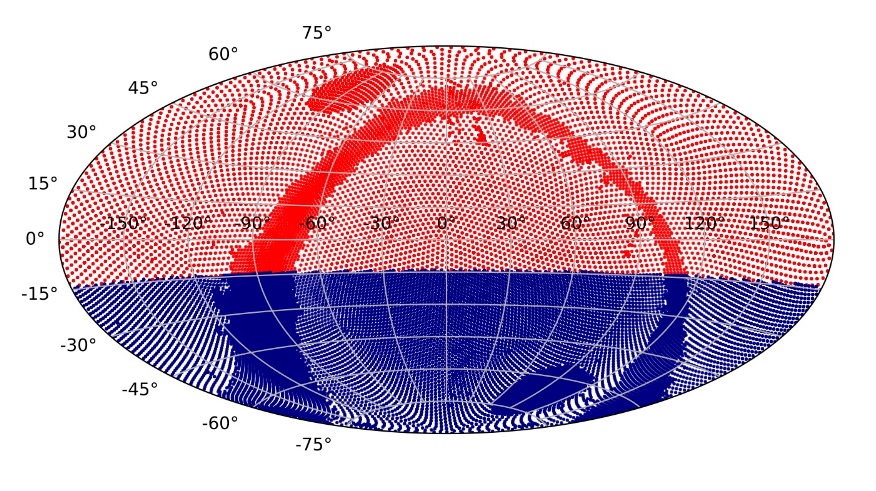
Project Lead: Jennifer Sobeck, APOGEE-2 project manager; Michael Blanton, associate professor, Department of Physics, New York University; and Jose Sanchez Gallego, research scientist, Department of Astronomy eScience Liaisons: Jacob VanderPlas In 2020, the fifth generation of the Sloan Digital Sky Survey (SDSS-V) will undertake a 5-year spectroscopic survey of over six million objects, building on…
-
Political Twitter images project summary and goals
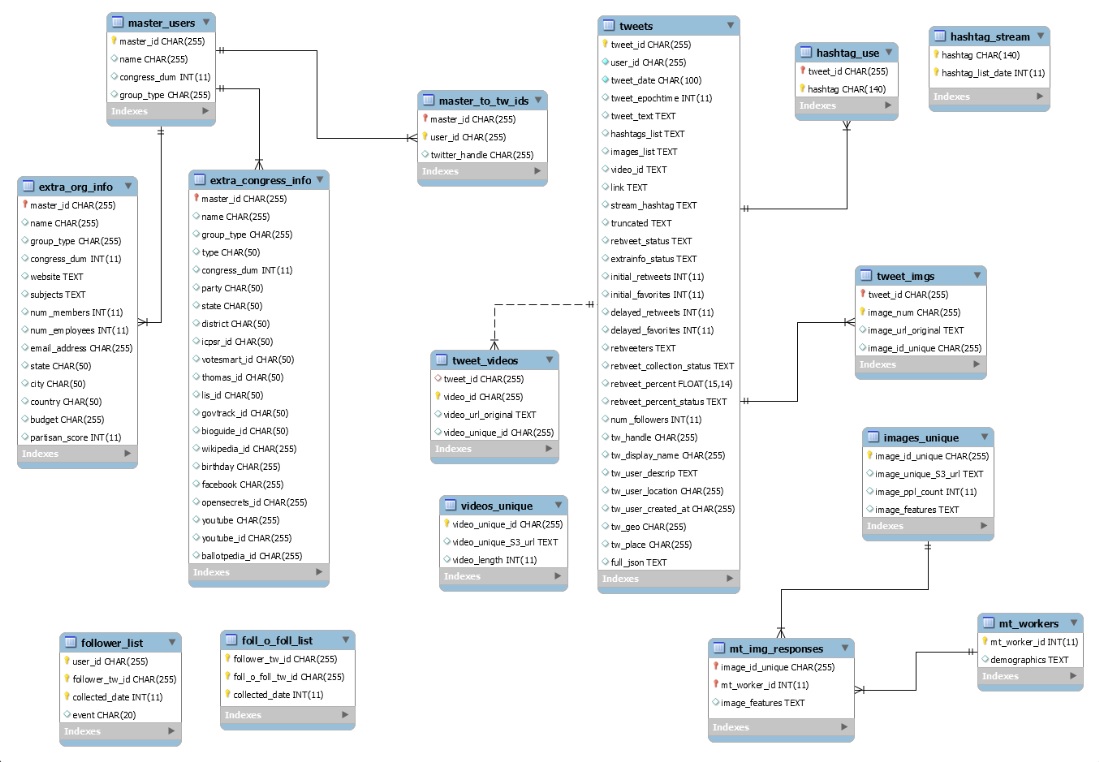
Project Leads: Nora Webb Williams, PhD Candidate, Department of Political Science; Wesley Zuidema, PhD Student, Department of Political Science; John D. Wilkerson, Professor, Department of Political Science; and Andreu Casas, Moore Sloan Research Fellow, New York University eScience Liaison: Bernease Herman How do outsider political groups use social media to mobilize supporters online? What types of social…
-
Incubating a DREAM
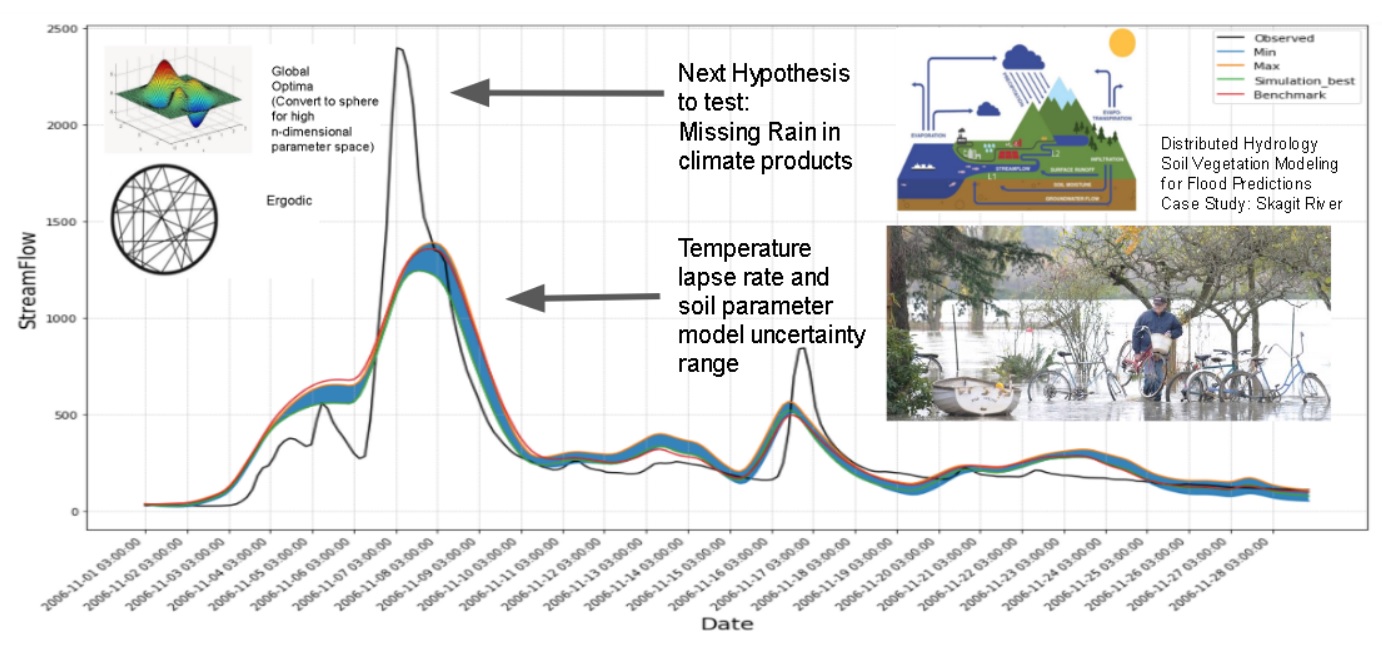
Project Leads: Christina Bandaragoda, senior research scientist, Watershed Dynamics Research Group, Civil & Environmental Engineering; Purshottam Shivraj, Data Science Master’s Student; Nicoleta Cristea, research associate, Mountain Hydrology Lab, Civil and Environmental Engineering eScience Liaisons: Amanda Tan and Rob Fatland Sparcity of temporal data in high elevations is a hurdle for every water resources researcher investigating…
-
Deciphering climate clues via carbon flux simulation
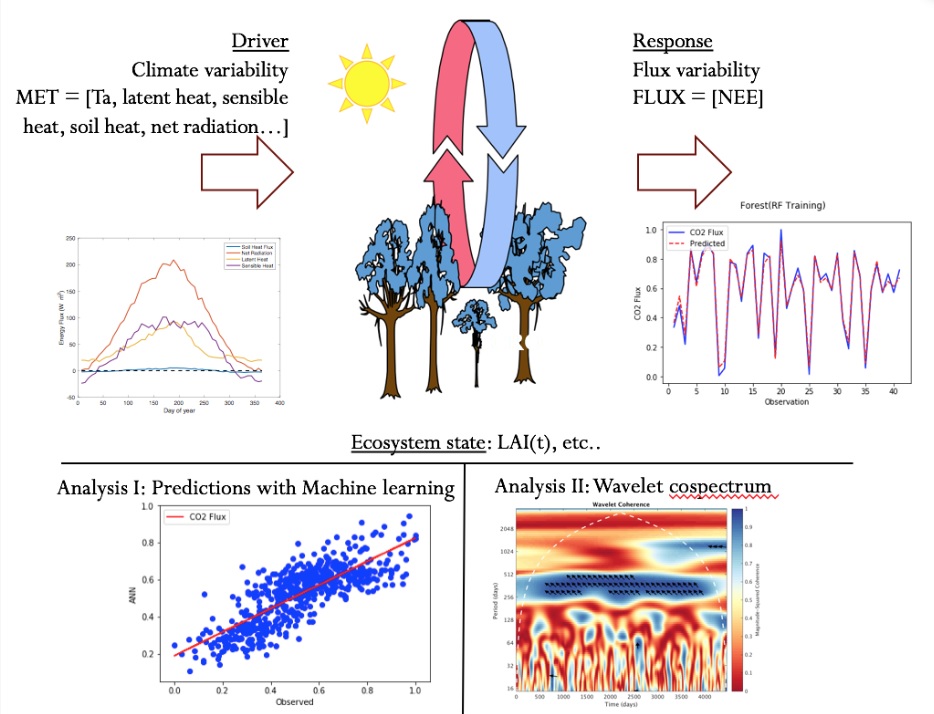
Project Lead: Qiaoyun Peng, Department of Atmospheric Sciences eScience Liaisons: Amanda Tan and Rob Fatland Carbon and energy exchanges between the terrestrial biosphere and the atmosphere are important drivers of the Earth’s climate system. The net carbon exchange results from a balance between ecosystem uptake (photosynthesis) and losses (respiration), which could be measured and quantified…
-
Experimental diffusion analysis to extract tissue structure function in the diseased brain
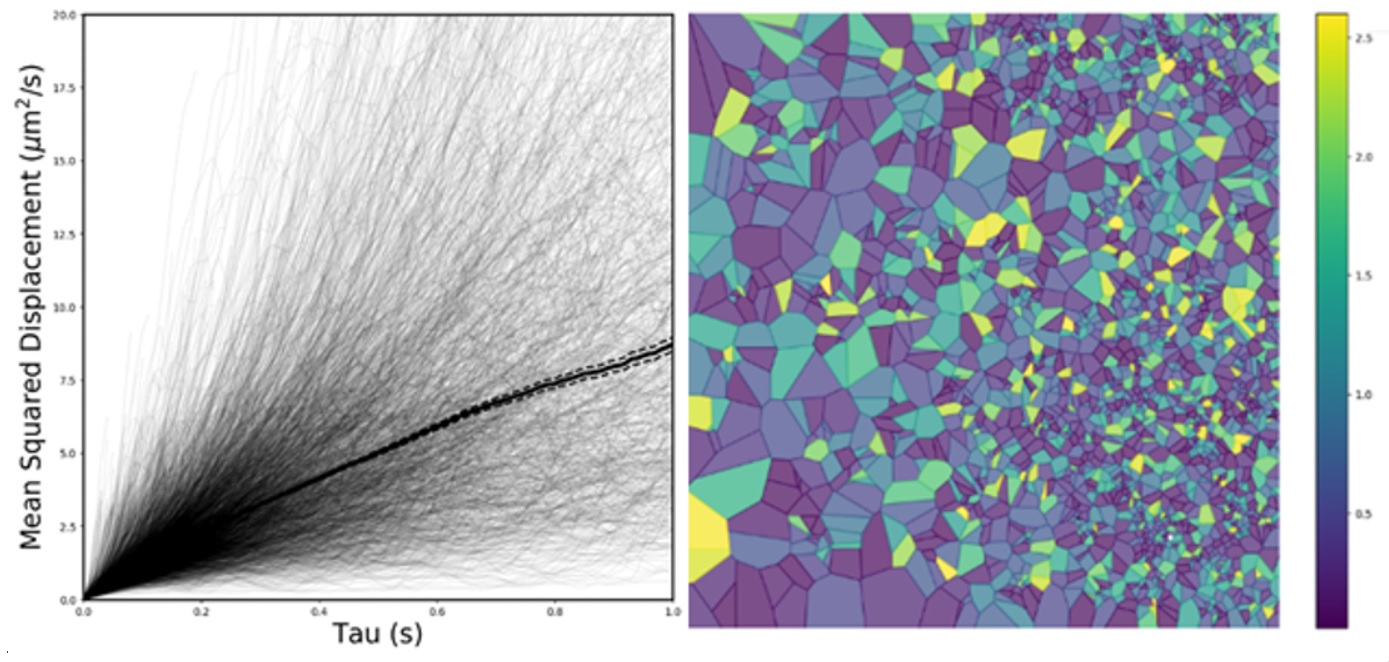
Project Lead: Chad Curtis, PhD student, Chemical Engineering Department eScience Liaison: Ariel Rokem One highly underrepresented, but critically needed, area of study is inflammation-mediated central nervous system (CNS) disease. Inflammation in the CNS, mediated by activated microglia and astrocytes, is implicated in the development of several neurologic disorders in both children and adults. Strategies to…
-
Discovering Marine Trophic Interaction Patterns
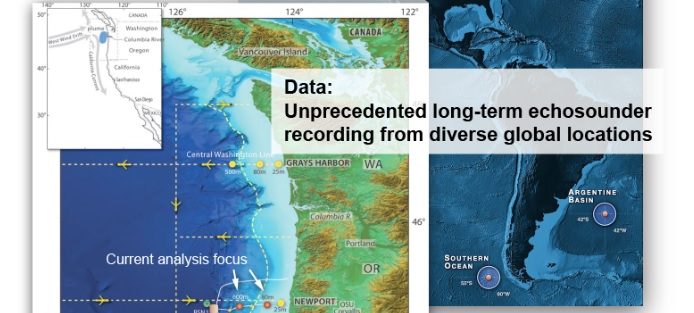
Project Lead: Wu-Jung Lee, Applied Physics Laboratory eScience Liaisons: Bernease Herman and Valentina Staneva The temporal and spatial occurrence of predator-prey interactions, and the associated biomass change across the food chain, are of central importance in the marine ecosystem. Compared to net-based sampling methods, sonar systems (echosounders) offer promising potentials for quantifying such interactions, by delivering synoptic…
-
Monitoring Freshwater Vulnerability to Climate Change and Human Activity

Project Lead: Catherine Kuhn, School of Environmental and Forest Sciences eScience Liaisons: Amanda Tan and Rob Fatland Rivers, lakes and streams are considered sentinels of environmental change. Deforestation, urbanization, and nutrient runoff are increasingly recognized as drivers of change for freshwaters, yet most research analyzing the impact of these forcings occurs at the watershed scale.…
-
Detecting Small Particles in Low-Contrast Images to Aid in Particle Tracking
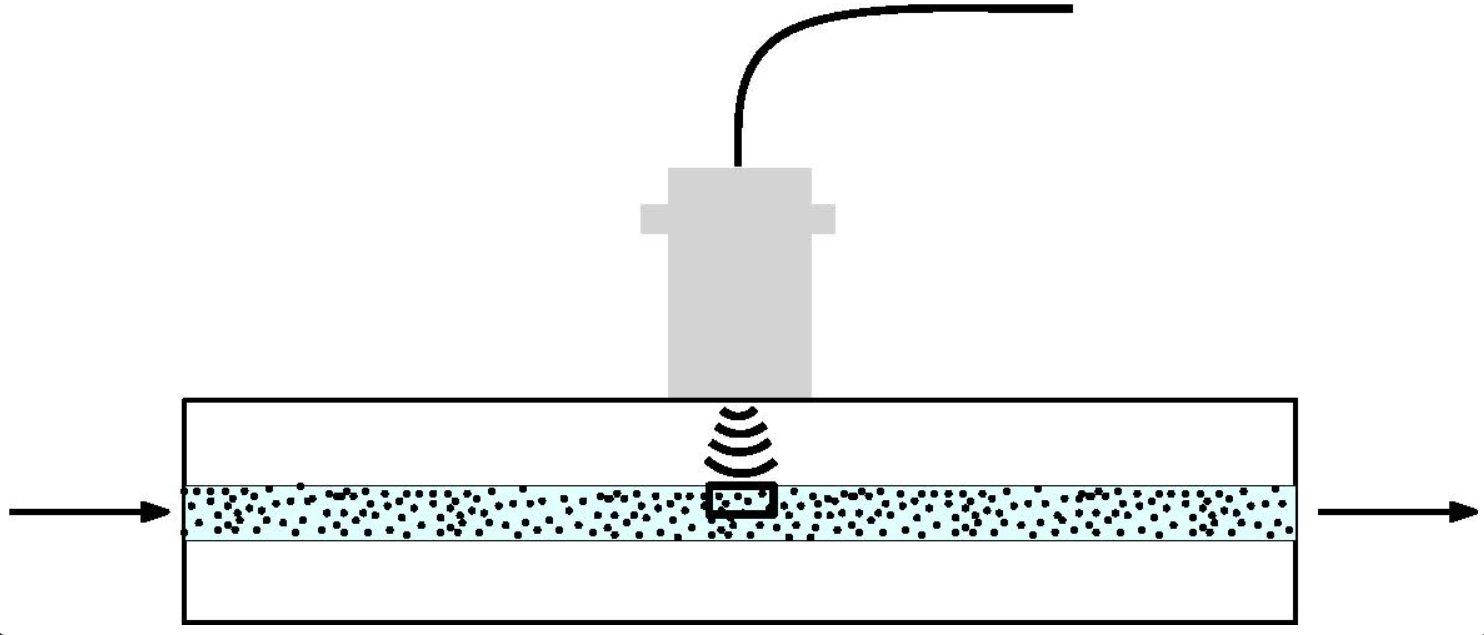
Project Lead: Alicia Clark, Mechanical Engineering eScience Liaisons: Bernease Herman and Valentina Staneva Ultrasound (US) is a safe and non-invasive imaging method commonly used in healthcare and clinical applications due to its high spatial and temporal resolution. However, there are areas of the body where low contrast makes it difficult to obtain high quality images needed…
-
3D Visualization of Prostate Cancer Using Light-Sheet Microscopy
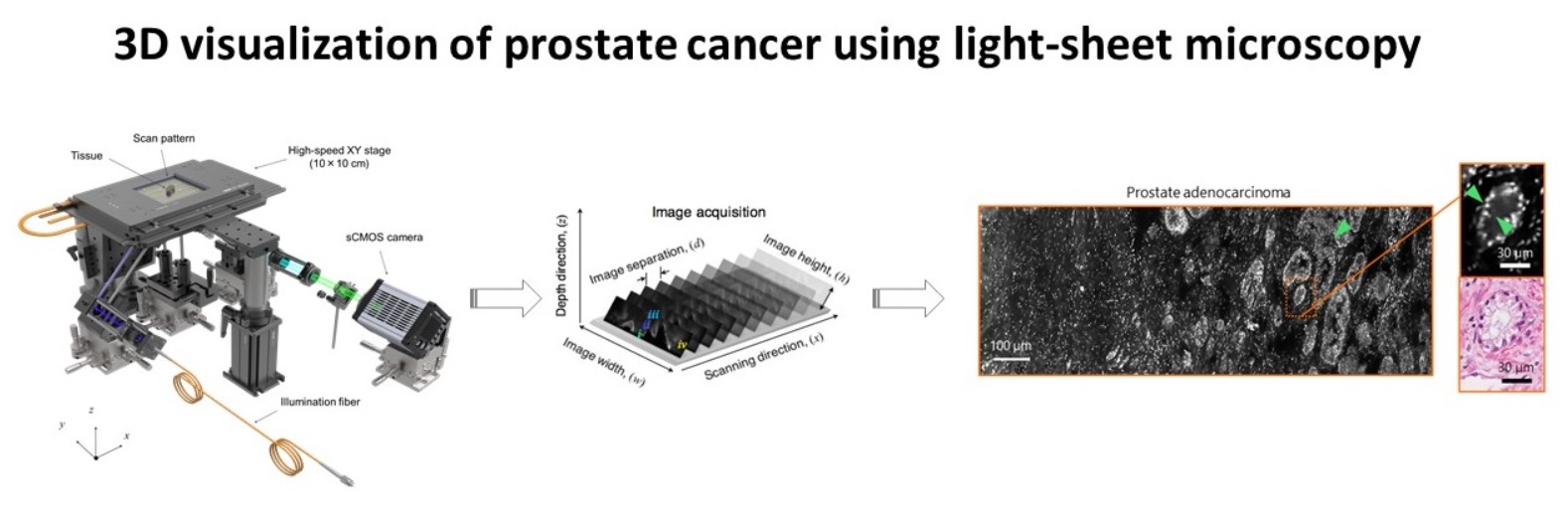
Project Lead: Dr. Nicholas Reder, Pathology eScience Liaison: Ariel Rokem Advances in microscopic imaging enable visualization of heretofore unseen 3D microanatomical features, which have the potential to transform cancer diagnostics. These novel imaging techniques have led to improved diagnostics in kidney biopsies, brain structure, and embryonic development. Light-sheet microscopy and tissue clarification techniques are a particularly…