
Tag: Data Science for Social Good
-
Learning and Doing Data for Good 2022 Conference
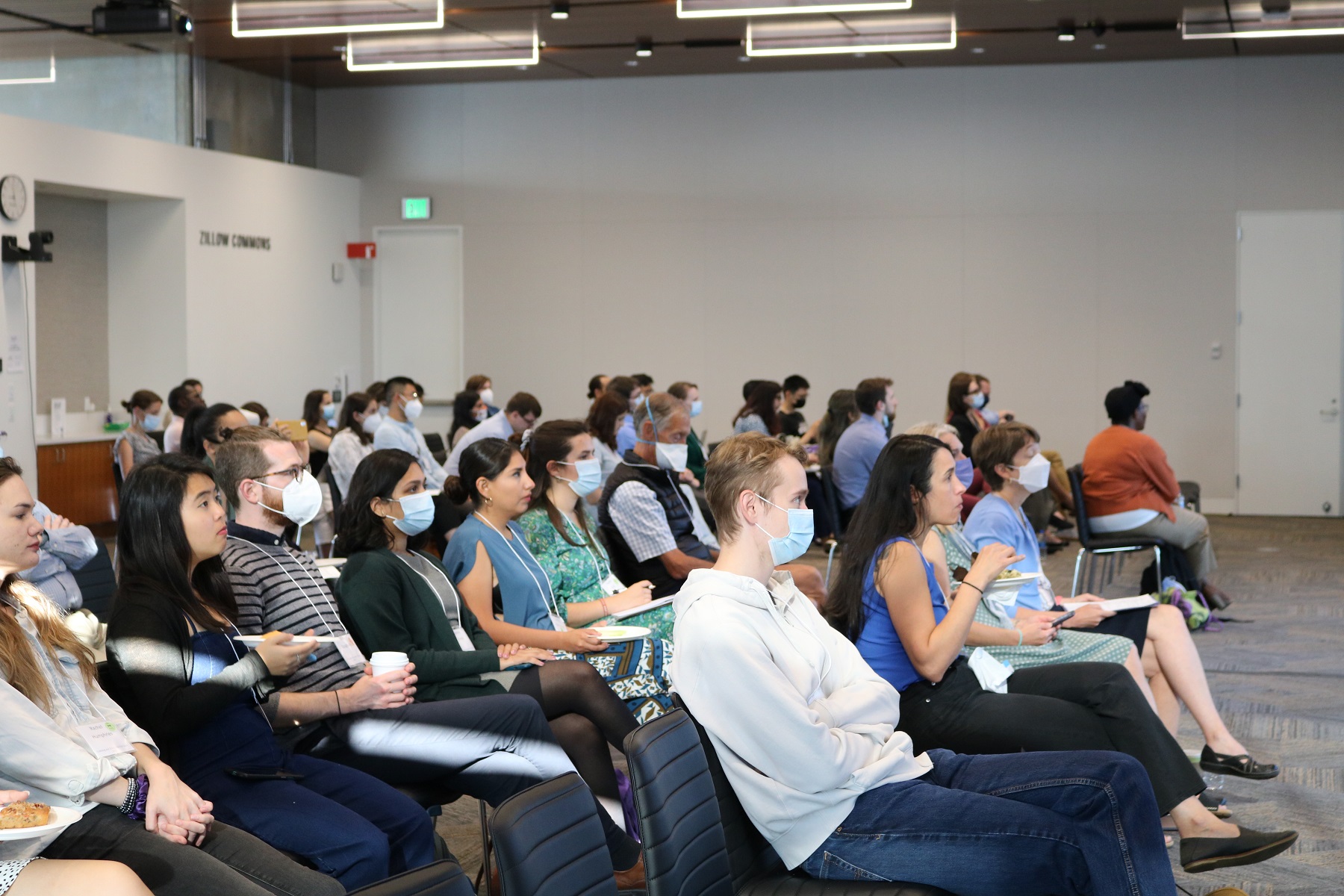
Earlier this month the eScience Institute held the “Learning and Doing Data For Good” conference, an event for current students and alumni in university-based data for good programs, their project partners, and data science professionals. The goal was to inspire discussions and networking with others who are motivated to learn from and meet the needs…
-
2022 DSSG Teams Present Their Final Project Results

By: Emily Keller-O’Donnell Student fellows at the University of Washington Data Science for Social Good (DSSG) program presented the results of their 10-week summer projects on August 17th. The fellows conducted their work on four interdisciplinary teams, working with project leads and data scientists. The DSSG program at the eScience Institute brings together students from universities around the country with data…
-
Exploring new understandings of the cost of living at a basic needs level using the Self-Sufficiency Standard database

Project leads: Annie Kucklick, Research Coordinator, and Lisa Manzer, Director, Center for Women’s Welfare, University of Washington School of Social Work Data scientist: Bryna Hazelton DSSG fellows: Azizakhon Mirsaidova, Priyana Patel, Cheng Ren, Hector Sosa. Project Summary The best-known measure of income adequacy, the Official Poverty Measure, (OPM) is too low with flawed and problematic methodology. Since its…
-
Tracking family and intergenerational poverty using administrative data

Project leads: Jennie Romich, Professor of Social Welfare at the UW School of Social Work and Faculty Director of the West Coast Poverty Center Data scientist: Jessica Godwin DSSG fellows: Zhaowen Guo, Ihsan Kahveci, Betelhem Aklilu Muno, Eliot Stanton Project Summary This project will examine whether the Seattle $15 minimum wage policy reduced poverty or affected intergenerational economic mobility. Research to…
-
Satellite Streaks in Astronomical Images

Project leads: Dino Bektešević, Graduate Student, Department of Astronomy; and Meredith Rawls, Research Scientist, Department of Astronomy, and Data-intensive Research And Cosmology (DiRAC) Fellow, University of Washington Data scientist: Vaughn Iverson DSSG fellows: Abhilash Biswas, Kilando Chambers, Ashley Santos Project Summary We are on the cusp of fundamentally altering the night sky, which has been a source of wonder, storytelling,…
-
Heating Loads in Alaska and Beyond

Project leads: Erin Trochim, Research Assistant Professor, Alaska Center for Energy and Power, University of Alaska Fairbanks Data scientist: Nicholas Bolten DSSG fellows: Vidisha Chowdhury, Maddie Gaumer, Philippe Schicker, Shamsi Soltani Program Overview Alaska– and the wider Arctic region– have experienced accelerated effects of climate change over the past decade. Rapid decarbonization of energy is a critical step…
-
Interdisciplinary Team Creates Tool to Detect and Quantify Satellite Streaks

By: Emily Keller-O’Donnell The recent growth of low-Earth-orbit satellites is posing a threat to a range of groups who rely on the sky for science, spirituality and tradition, by leaving a plethora of bright streaks across the night sky. A project team at the University of Washington Data Science for Social Good (DSSG) program is…
-
Research Team Examines the Impacts of Seattle’s Minimum Wage Ordinance on Household-Level Poverty
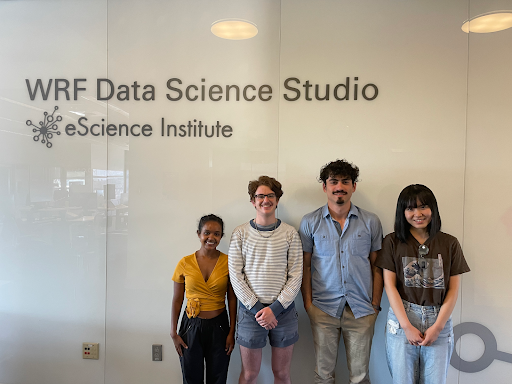
By: Emily Keller-O’Donnell Research about the relationship between poverty and the minimum wage in Seattle has often focused on examining the economic circumstances of individual workers. One of the projects of the Data Science for Social Good (DSSG) summer program at the University of Washington is expanding this lens to create data that views workers…
-
Interdisciplinary Team Designs Database to Advance ‘Self-Sufficiency Standard’ Research
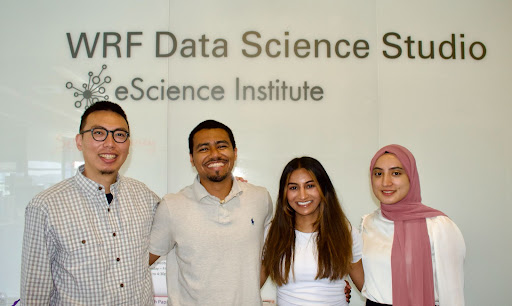
By: Emily Keller-O’Donnell Determining the income level that working families need to meet their basic needs requires a dynamic approach. An interdisciplinary team at the University of Washington (UW) Data Science for Social Good (DSSG) program is laying the groundwork for the integration of multi-sourced data from across the U.S. to provide researchers and policy…
-
Applying ‘Geospatial First’ Approach to Estimating Heating Loads in Alaska

By: Emily Keller-O’Donnell Decarbonization efforts to mitigate the impacts of climate change face a unique challenge in Alaska. While about 70 percent of energy use in the state goes to heating, there is a lack of reliable broad-scale data on the portion of energy that is used for heating in buildings. An interdisciplinary team at…