
Category: SSEC Project
-
IDD Data Portal: Centralized Insights

Partners: Sunny Juul, Kari Stephens, Josh Lovseth, and Grace Sun SSEC Engineers: Robert Culver, Cordero Core and Anshul Tambay Research Goals and Domain One in six children have an intellectual and/or developmental disability (IDD). Despite this high prevalence, there are critical gaps in knowledge on how and when children present with potential IDD. Furthermore, there…
-
CECI Database: Modernizing for Scale

Partners: Juliet Taylor, Dayton Allemann, and Jason Welch SSEC Engineers: Cordero Core, Don Setiawan, and Anant Mittal Research Goals and Domain Developed as a collaboration between early learning professionals and the University of Washington Cultivate Learning, the Coach and Educator Community Interface (CECI) is an online platform that powers professional development for early childhood educators.…
-
Genetic Forensics: Streamlining Poaching Investigations
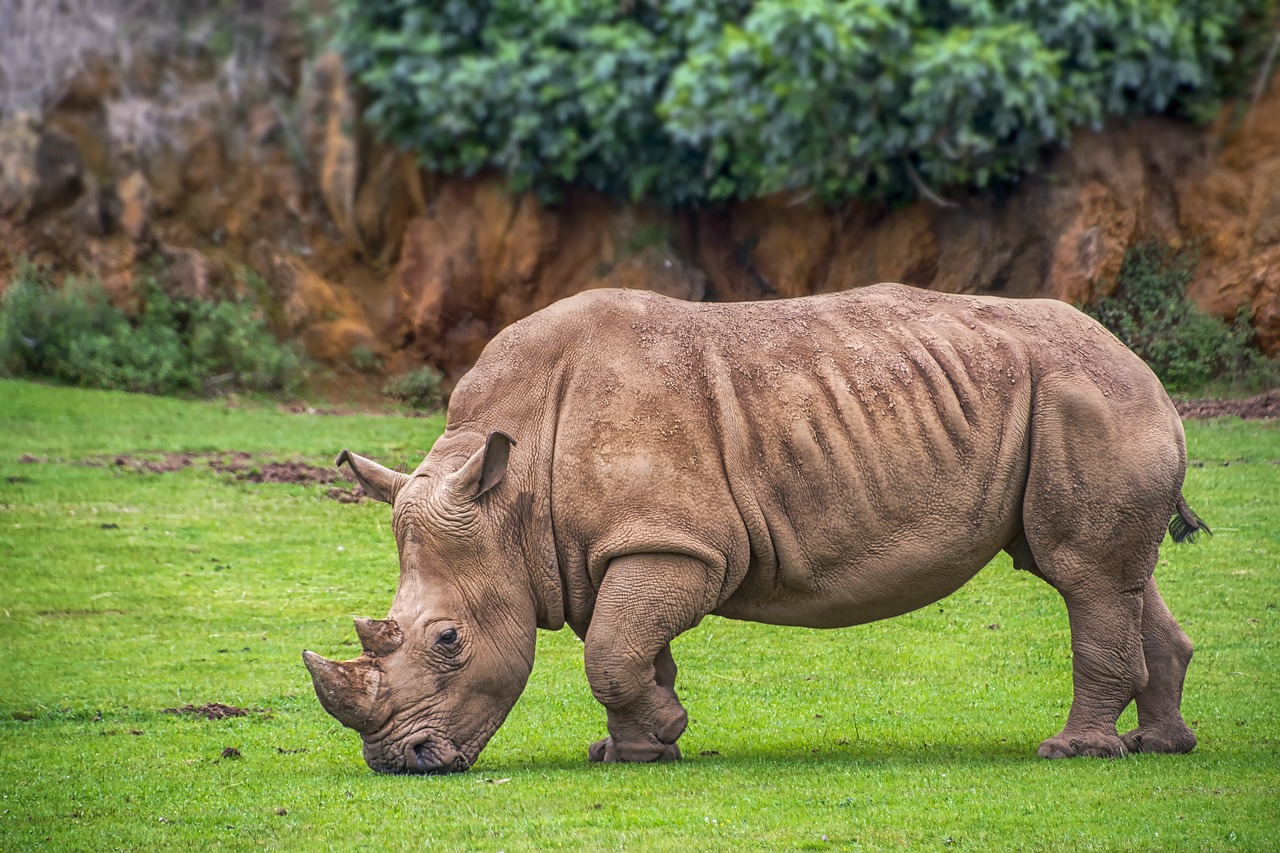
Partners: Sam Wasser, Mary Kuhner, and Ryan Horwitz SSEC Engineer: Niki Burggraf and Ishika Khandelwal Research Goals and Domain The University of Washington’s Center for Environmental Forensic Science has revolutionized the field of wildlife crime investigation with advancements in genetic forensics. Researchers developed tools to compare seized elephant tusks to DNA from seized ivory reference…
-
NAIRR: Pilot Exploration

Partner: Rob Fatland SSEC Engineer: Niki Burggraf Research Goals and Domain The National Artificial Intelligence Research Resource (NAIRR) is a National Science Foundation funded effort aiming to connect U.S. researchers to the computational, data, software, model and training resources they need to participate in AI research. As a member of the CloudBank team, the UW…
-
Caustics: Simulating Gravitational Lensing
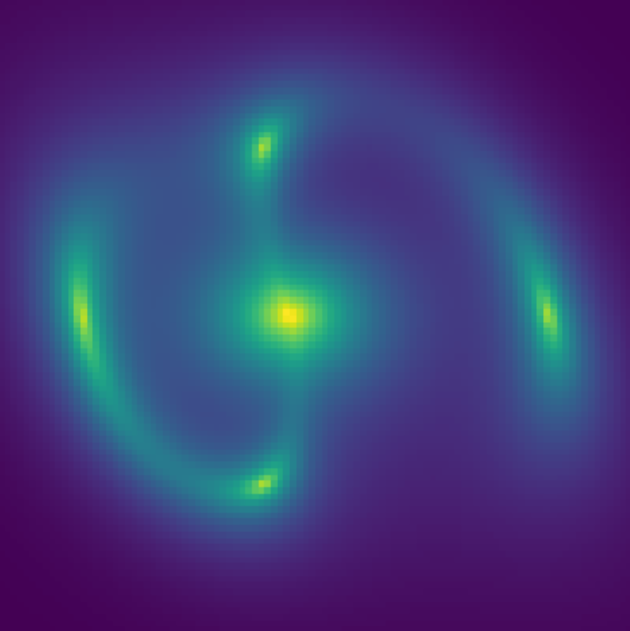
Partners: Yashar Hezaveh, Laurence Perreault-Levasseur, and Connor Stone SSEC Engineers: Cordero Core and Don Setiawan Research Goals and Domain Gravitational lensing occurs when a large mass (e.g. a galaxy) lies between an observer (Earth) and a light source (another galaxy). These chance alignments magnify and multiply the image and background source in a variety of…
-
AutoDoc: Automated Documentation of Empirical Research
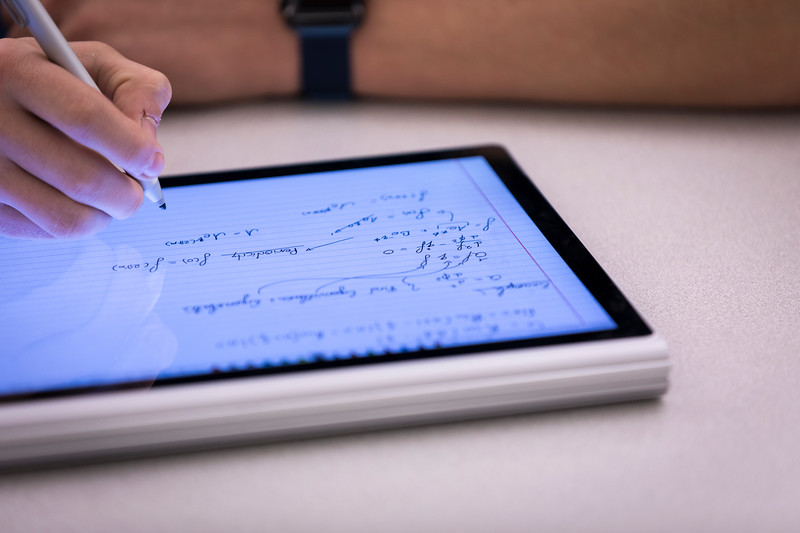
Partners: Sebastian Musslick and Younes Strittmatter SSEC Engineers: Carlos Garcia Jurado Suarez, Anuj Sinha, and Rashmika Reddy Research Goals and Domain Reproducibility is a foundational pillar of the scientific process. However, numerous empirical studies in behavioral research are difficult to replicate due to inadequate and opaque documentation of their research steps. AutoRA is a collection…
-
ProSpecPy: Processing FTIR Spectroscopy Data
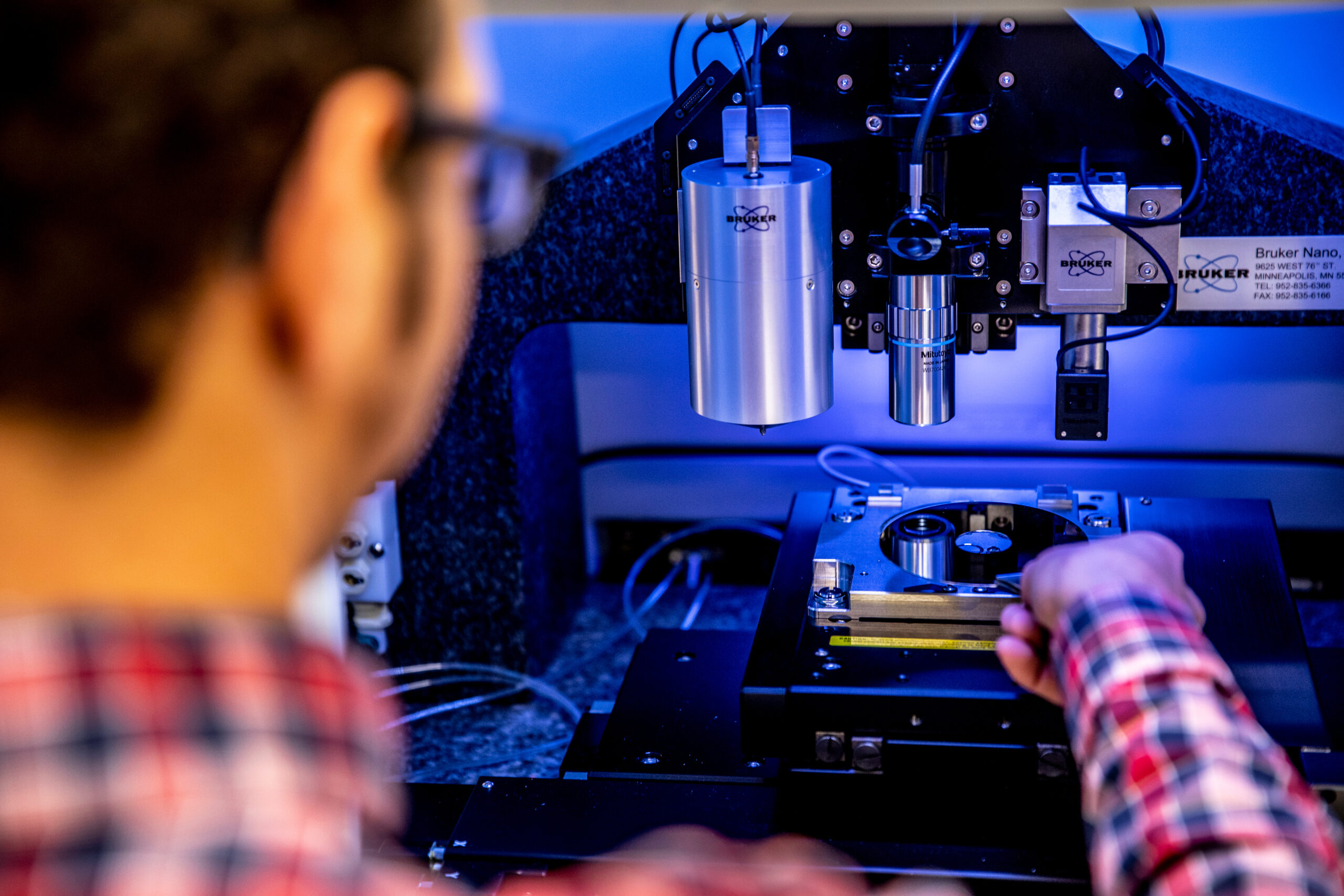
Partner: Elizabeth Phillips SSEC Engineer: Anshul Tambay, Anuradha Ramachandran, and Eric Xue Research Goals and Domain Hydrogenases are a group of enzymes that catalyze the reversible reduction of protons to hydrogen. They are extremely efficient, with turnover frequencies that rival the most efficient metal catalysts (Pt or Pd), using earth abundant metals (Ni or Fe)…
-
Echopype: Interoperability and Scalable Ocean Sonar Data Analysis
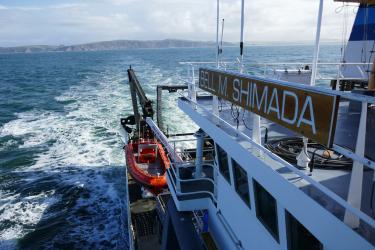
Partners: Wu-Jung Lee and Emilio Mayorga SSEC Engineers: Don Setiawan and Valentina Staneva Research Goals and Domain Scientists commonly use active sonar systems to collect data about mid-trophic level animals, such as zooplankton and small fish that play an important role in marine ecosystems. Echosounders, or fish-finders, are high-frequency sonar systems that emit pulses of…
-
NoisePy: Ambient Field Seismology
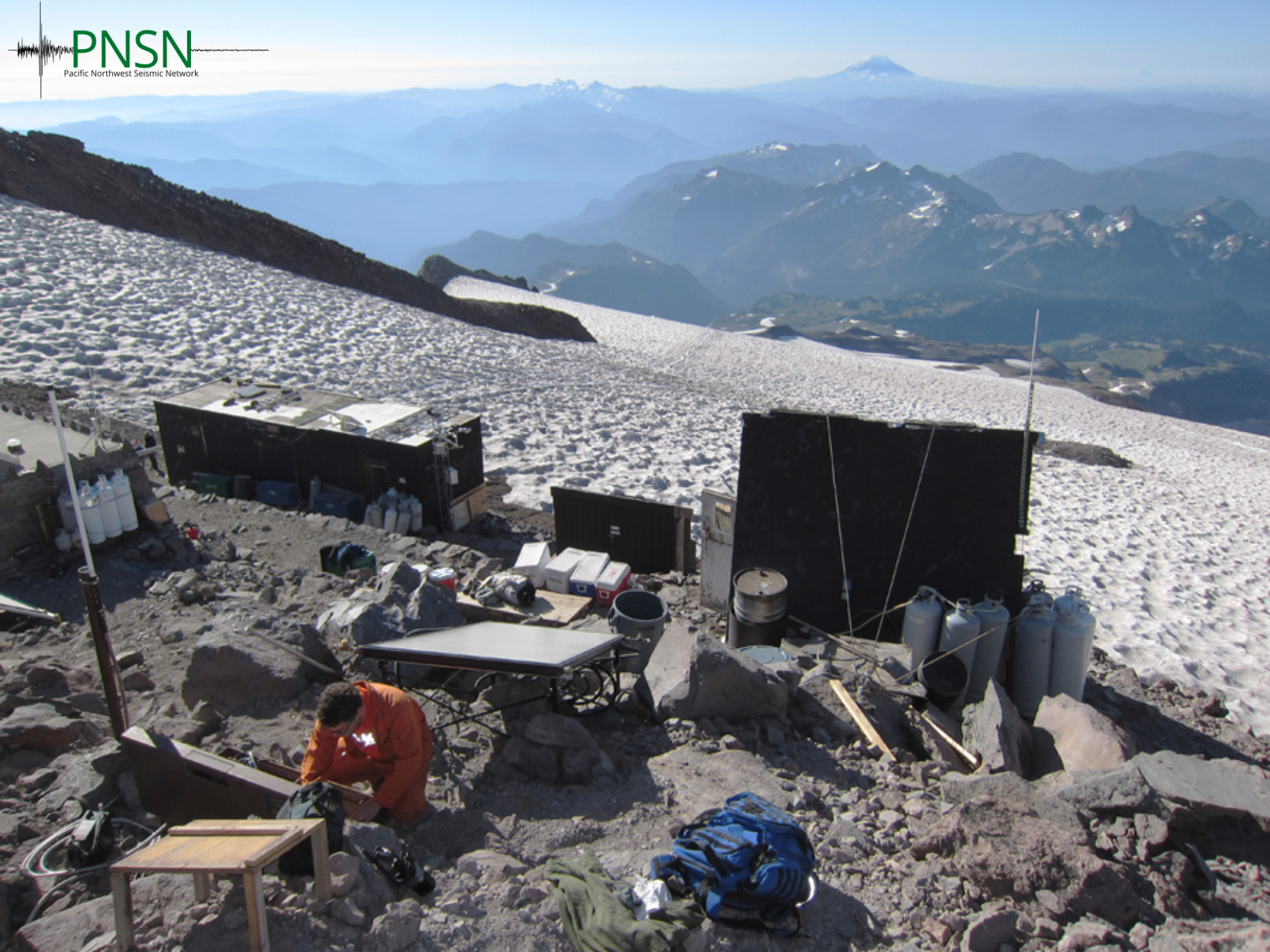
Partners: Marine Denolle, Yiyu Ni, and Kuan-Fu Feng SSEC Engineers: Carlos Garcia Jurado Suarez and Ishika Khandelwal Research Goals and Domain The Earth’s ambient field contains a great deal of information about its structure. Changes in this structure occur at a vast range of temporal and spatial scales. We can record these changes thanks to…
-
Wet AI: Collaborative Neurobiology
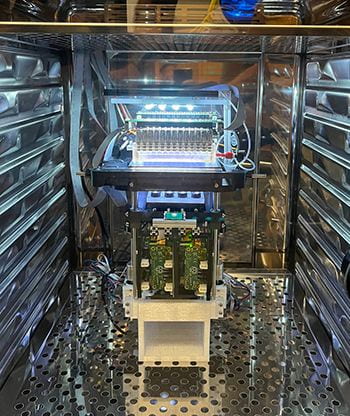
Partners: David Haussler, Matt Elliot, David Parks, and Lon Blauvelt SSEC Engineers: Cordero Core and Don Setiawan Research Goals and Domain Cerebral organoids are synthetic tissues derived from induced or natural stem cells within a laboratory setting. Once they are differentiated, these structures offer an avenue for researchers and students to probe and stimulate neural…