
Category: Incubator Project
-
The Use of Machine Learning to Predict Hospital Readmissions After Lower Limb Amputation in the Medicare Population
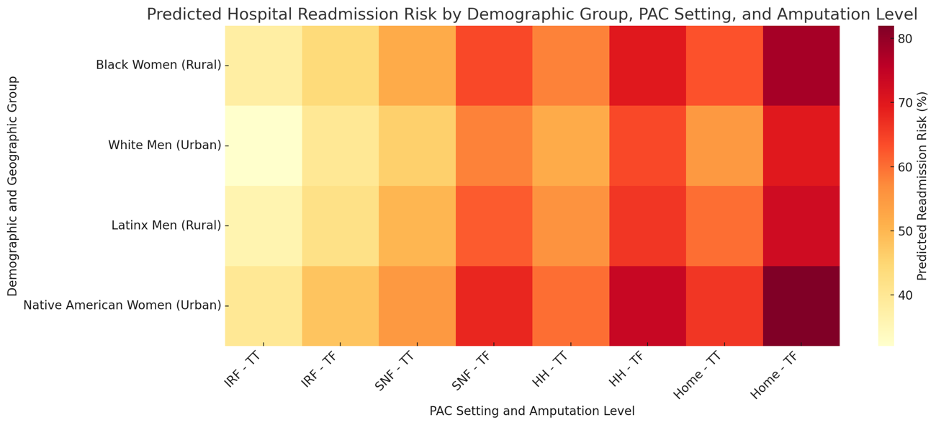
Project Lead: Rachael Rosen, UW Medicine Data Science Lead: Valentina Staneva Lower limb amputation (LLA) is a significant health event that is often an indicator for worsening chronic disease and increased risk of further health decline—especially among older adults. After amputation, recovery depends not only on medical care but also on access to supportive post-acute care services,…
-
A web-based interface for rare disease lumping and splitting predictions with LumpIt

Project Lead: Shirin Khanam, Jessica Chong, and Allison Marcello, UW Pediatrics Data Science Lead: Bernease Herman Rare genetic disorders affect 263-446 million persons or ~3.5–5.9% of the worldwide population, and the vast majority of these persons have a Mendelian condition (MC). Over 4,500 genes underlie one or more of the 6,000 MCs described to date, and…
-
Deep Learning to Uncover Watershed Specific Characteristics in Salmon Otolith Patterns to Aid in Management of Pacific Salmon

Project Lead: Ben Makhlouf and Daniel Schindler, UW Aquatic and Fisheries Sciences Data Science Lead: Valentina Staneva Pacific salmon are vital to Alaskan communities, serving as a key cultural, subsistence, and economic resource. However, Chinook salmon populations in Western Alaska have declined sharply in recent years, particularly in the Yukon, Kuskokwim, and Nushagak River basins. While many…
-
Detection of Early Warning Signals regarding Safety Concerns of Implantable Medical Devices

Project Lead: Aparna Ramanathan, UW Medicine Data Science Lead: June Yang and Spencer Wood Currently in the United States, postmarket surveillance of medical device safety is conducted via the Manufacturer and User Facility and Device Experience (MAUDE) database. MAUDE is targeted at device manufacturers and does not engage patient or provider users of new medical devices; this…
-
Global High-Resolution Modeling: A New Lens on the Southern Ocean
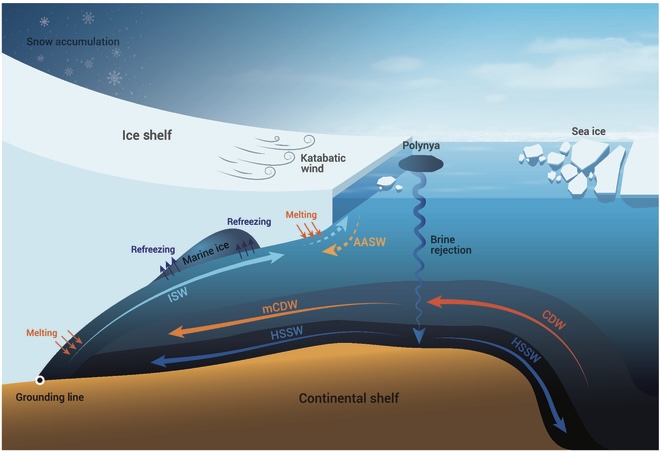
Project Lead: Mira Berdahl, UW Earth and Space Sciences Data Science Lead: Scott Henderson Modern Antarctic ice loss is largely driven by warm, dense circumpolar deep water (CDW), which reaches the ice sheet margin and causes ice to melt. Antarctic mass loss has significant implications for global sea level rise, but the mechanisms that transport CDW to…
-
Automated assessment of butterfly thermoregulatory traits from specimen images

Project Lead: Laura Buckley, UW Biology Data Science Lead: Vaughn Iverson Heterogenous responses to climate change highlight the need to identify the underlying organismal mechanisms. Insects offer an excellent system for investigating mechanisms of climate change responses due to their high sensitivity to environmental conditions and extensive historical records. Dramatic recent declines in insect populations, including of…
-
Quantitative HIV Viral Load Monitoring Via Fluorescent Image Analysis

Project Lead: Coleman Martin, UW Chemical Engineering Data Science Lead: Noah Benson In 2014, the United Nations set a goal to end the HIV/AIDs endemic by 2030, aiming for 90% of people living with HIV know their HIV status, be on retroviral treatment, and be virally suppressed. As of 2019, the most recent data, the United Nations…
-
Challenges to Climate Adaptation Among Organic Farmers in the U.S.
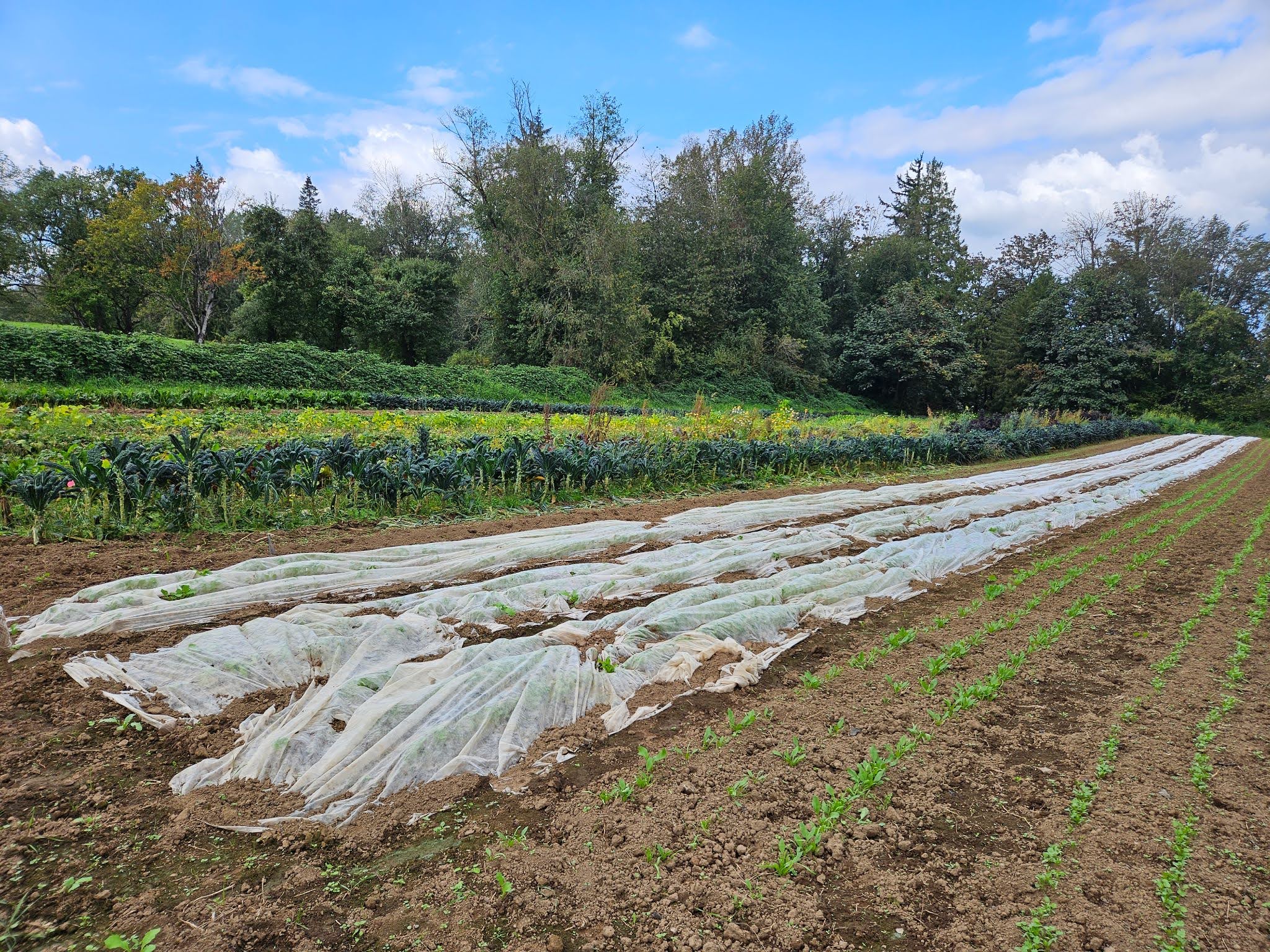
Project Lead: Masha Vernik, UW Environmental and Forest Sciences Data Science Lead: Curtis Atkisson Description: As seasons become less predictable and extreme weather events become more intense and frequent, farmers learn to adapt. Adaptation can mean anything from building new infrastructure that’s out of a flood zone to installing improved irrigation lines; it can mean shifting crop…
-
Updating Open-Source Verbal Autopsy Software to Modern Python Standards

Project Lead: Abraham D. Flaxman, UW Global Health Data Science Lead: Bryna Hazelton, Naomi Alterman The purpose of this project was to modernize SmartVA-Analyze, an existing open-source verbal autopsy (VA) software, by transitioning its codebase from Python 2 to Python 3. Verbal autopsy is a crucial tool for estimating the causes of death in settings where…
-
Assessing Influences of Wildfires on Park Visitation Patterns Using Gravity
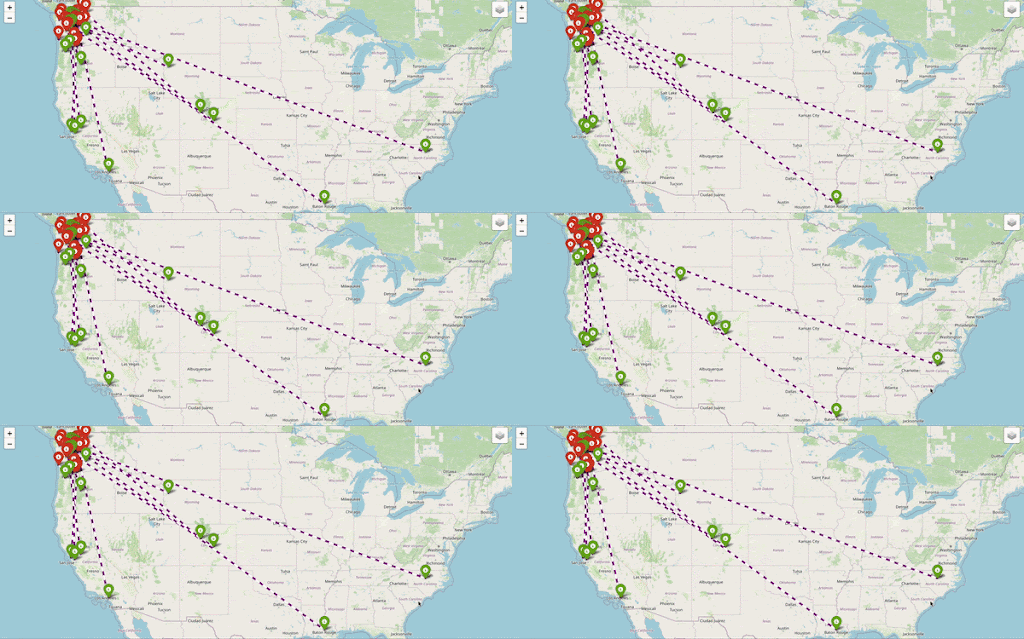
Project Lead: Nino Migineishvili, UW Computer Science and Engineering Data Science Lead: Spencer Wood Wildfires have been growing in size, duration, and destructivity, resulting in more decisive calls to improve forest health and protect communities. Wildfire fuel treatments – which involve reducing or removing vegetation from fire-prone areas – are one strategy for reducing wildfire risk. Where…