
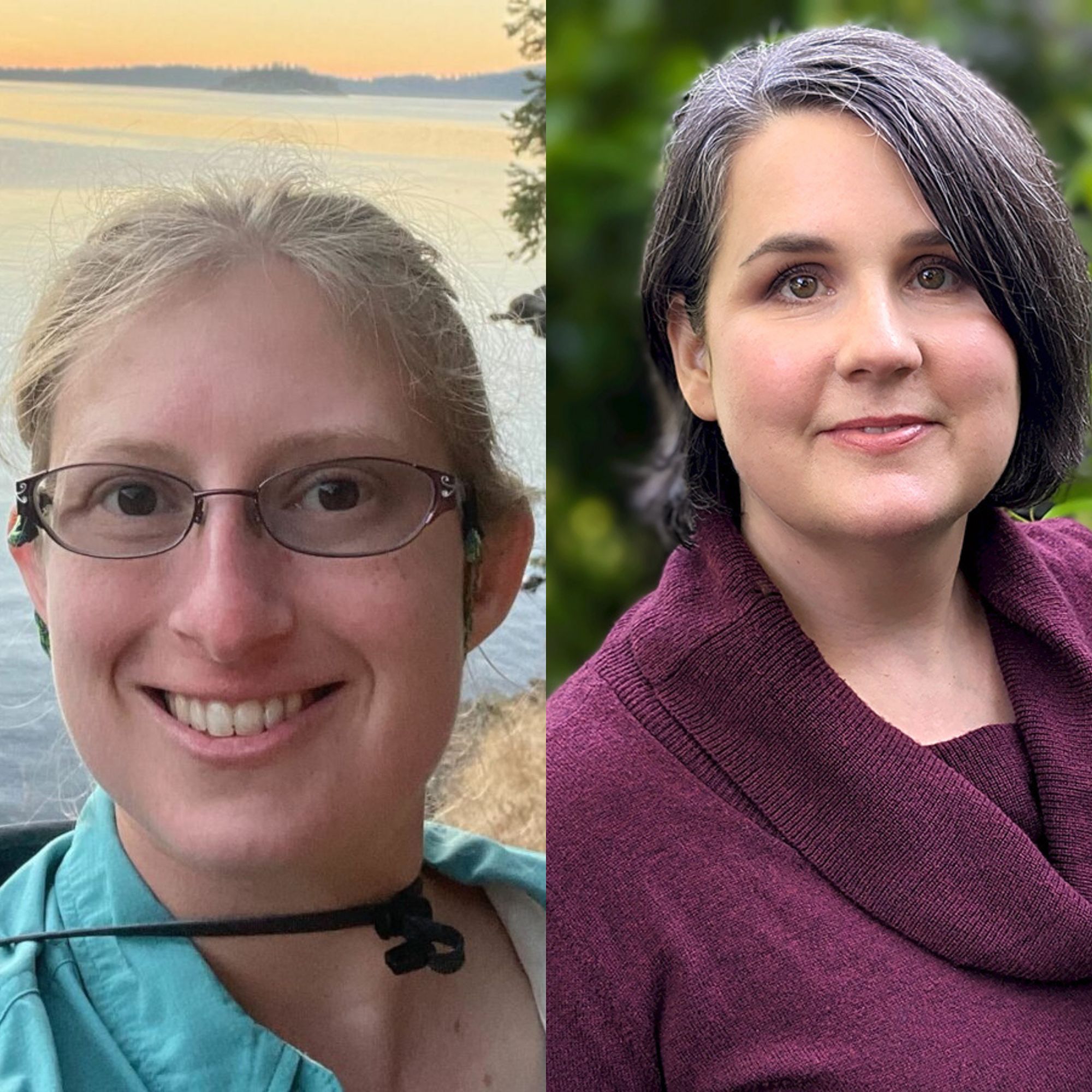
Please join us for a UW Data Science Seminar featuring UW Director of the Center for Women’s Welfare Lisa Manzer and Research Coordinator Sarah Brolliar on Thursday, February 26th from 4:30 to 5:20 p.m. PT. The seminar will be held in IEB G109.
“From Excel to Reproducible Pipelines: Scaling the Self-Sufficiency Standard to All 50 States”
Abstract: The Self-Sufficiency Standard (SSS) is a cost-of-living benchmark used by policymakers and community organizations across the United States. For more than two decades, the Standard has been produced through a complex, state-specific workflow built largely in Excel. As demand has grown—culminating in a planned 50-state release—the limitations of a spreadsheet-based production system became clear. Through the UW Data Science & AI Accelerator, our team is redesigning the SSS production pipeline in R to support scalability, reproducibility, and collaborative development. This talk will describe the technical and organizational challenges of transitioning a legacy, high-stakes policy workflow into a modular, version-controlled, data-driven system. The presentation will highlight both technical architecture and lessons learned in translating applied social policy research into a modern data science workflow. We will also reflect on tradeoffs between flexibility and standardization when scaling data products intended for public use.
Speaker Bios: Lisa Manzer is Director of the Center for Women’s Welfare at the University of Washington. Committed to economic justice and supporting low-income families, Lisa has dedicated over two decades to the development and implementation of the Self-Sufficiency Standard. Lisa has collaborated with partners across the United States to produce comprehensive reports on the impact of housing, child care, health care, guaranteed basic income, and tax policies on working families.
Sarah Brolliar is a research coordinator for the Center for Women’s Welfare at the University of Washington who seeks to improve population quality of life. Prior to joining the Self-Sufficiency Standard team, she served as a senior research coordinator with University of Washington’s Department of Emergency Medicine, covering projects focused on team leadership training in medical education and its impact on patient outcomes. Sarah earned a Master of Public Health degree in Health Systems and Population Health from the University of Washington, and uses economic data and her training in the social determinants of health to advocate for low-income workers and families.
The 2025-2026 seminars will be held in person, and are free and open to the public.